
C Reactive Protein
C Reactive Protein and Heart Disease
Heart disease remains the leading cause of death in the nation, and the ongoing battle to prevent it has led to the development of new tools to identify high-risk individuals. Diagnosing coronary heart disease can be difficult because symptoms such as chest pain, shortness of breath, and irregular heartbeats vary from person to person. Moreover, these symptoms can often be confused with other medical conditions, making accurate diagnosis even more challenging.
Inflamed Blood Vessels and Arteries

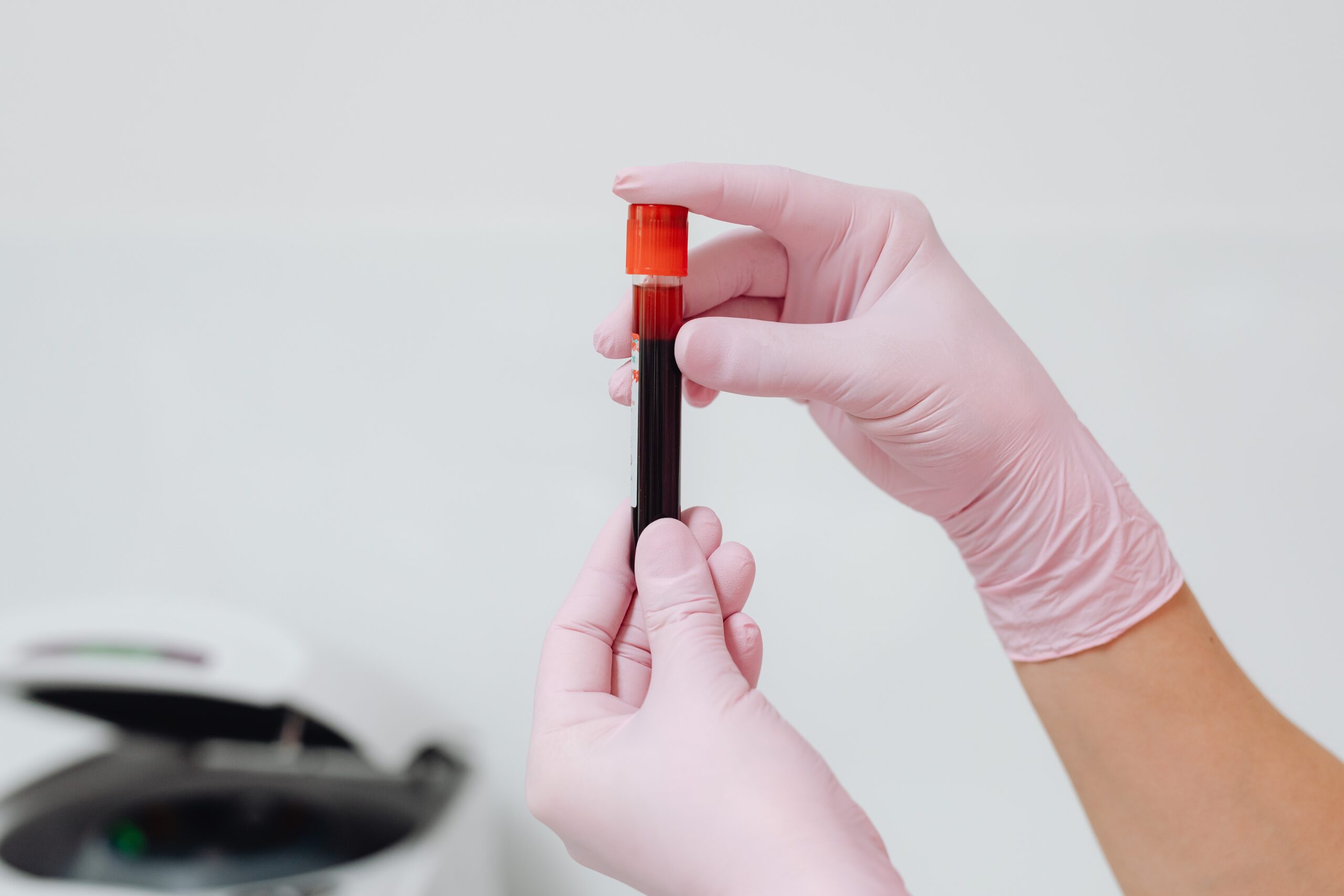
The good news is that coronary heart disease can be detected early using a variety of straightforward diagnostic methods, potentially saving lives. Recently, medical research has highlighted the role of C-Reactive Protein (CRP) as an important indicator of heart disease. Elevated levels of CRP in the bloodstream signal inflammation in the blood vessels. This occurs when the arteries supplying blood to the heart become damaged, triggering the release of CRP into the bloodstream. Identifying this inflammation early allows healthcare professionals to take preventive measures before the condition worsens.
What we know about C-Reactive Protein and Heart Disease
Testing for C-Reactive Protein (CRP) alongside total and HDL (good) cholesterol levels improves the ability to predict heart disease risk. Doctors are now using CRP levels to more accurately forecast an individual’s likelihood of developing heart disease.
The higher the concentration of CRP, the greater the risk of heart attack or stroke, as it indicates the level of inflammation present in the arteries. Even in patients who seem low-risk based on other factors, elevated CRP levels can predict coronary events.
Interestingly, half of all heart attack victims have normal cholesterol and blood pressure levels, which highlights the importance of measuring CRP as an additional risk marker. Produced by the liver in response to arterial inflammation, CRP is gaining recognition as a valuable tool for identifying those at risk for cardiovascular disease.
It is now widely accepted that elevated CRP levels are an independent risk factor for coronary artery disease, making CRP testing an emerging method for assessing cardiovascular health.
 The Blue Zones Secrets for Living Longer |
There is No Cure for Coronary Heart Disease—But It Can Be Managed
While there is no cure for coronary heart disease, effective treatments exist to prevent the further narrowing of the coronary arteries due to atherosclerosis, and in some cases, the progression can be halted. For individuals already diagnosed with coronary heart disease, these treatments can also significantly reduce the risk of a heart attack.
The first and most crucial step in combating coronary heart disease is making lifestyle changes to reduce risk factors. Medical professionals recommend heart patients adopt a low-fat diet and focus on maintaining healthy cholesterol levels. Most doctors agree that individuals with coronary heart disease should aim for LDL (bad cholesterol) levels below 100 mg/dl.
Additionally, patients are strongly encouraged to quit smoking, engage in regular physical activity, and manage diabetes and high blood pressure through both dietary adjustments and prescribed medications. By making these changes, patients can effectively manage their condition and improve their long-term heart health.







I am getting a check up next week and they want to a C Reactive Protein test. Chances are it will be just fine but they want me to come back next month for a follow up.