
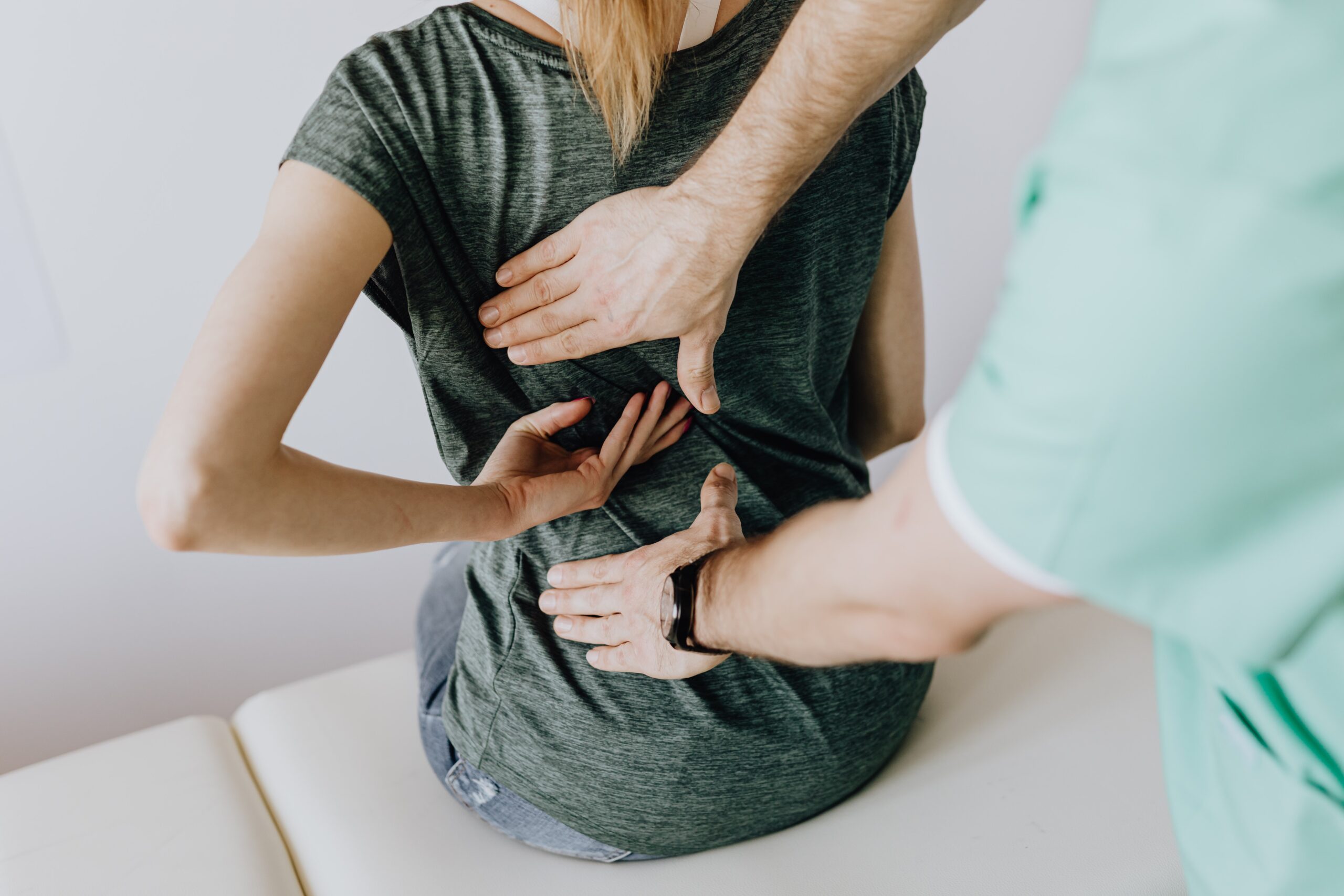
Aches and Pains
Muscles and Joints – Preventing Aches and Pains
Nearly everyone has experienced stresses and strains to those parts of the body responsible for movement: the bones and muscles; major joints like the knee and ankle; and the tendons and ligaments – the soft connective tissues that transmit movement among muscles and joints.
 The Blue Zones Secrets for Living Longer |
Though sometimes referred to as sports injuries, these mishaps can occur not only during sports and exercise, but during such everyday activities as brisk walking, climbing stairs, housework or gardening. The injuries range in severity from minor bouts of muscle soreness to tears or sprains that may take weeks to heal. Fortunately, the likelihood of injury can be reduced through condition exercises and by observing certain precautions.
- Preventing Aches and Pains
- From runner’s ankle and biker’s knee to tennis elbow and swimmer’s shoulder, there is hardly a sport or exercise that doesn’t have some type of aggravating problem associated with it. Despite the proliferation of names, most injuries associated with exercise fall into a few broad categories. An understanding of these basic types may help you avoid injury, minimize the damage when you are hurt, and speed your recovery. Don’t let concern about injuries keep you from exercising, though. A number of studies show that the benefits of exercise far exceed the risk of injury.
- Muscle soreness
- When you exercise, you intentionally use certain muscles to increase their strength and endurance. As your body adapts to these efforts (depending on their intensity), you are likely to experience minor aches, twinges, and soreness. For example, one type of discomfort, called ischemic pain, occurs when muscle tissue doesn’t have enough oxygen to continue working. This is the ache you feel when you attempt to perform more sit-ups or lift more weights than you are accustomed to, and it disappears when you stop exerting yourself or when you reduce the intensity of the workout, such as by slowing down or using lighter weights. .
- After any unaccustomed, strenuous exercise, you may experience a painful stiffness called delayed-onset muscle soreness (or DOMS, as it is sometimes referred to by physiologists). This type of discomfort occurs most often to weekend athletes who exercise only occasionally or among frequent exercisers who suddenly increase the intensity of their workouts. Typically, it sets in a day or two after a game or workout and can last a week or more.
- Prevention
- Unfortunately, there is no proven way to prevent delayed-onset muscle soreness. Some people believe that stretching after exercise can help prevent it, but studies have failed to confirm it. (Still, you should not forego stretching since it has other benefits.)
- What does work to minimize muscle soreness from unusually hard activity is to do some mild training beforehand. If you plan a hiking trip, do some exercise with an eccentric component – for example, walk down long flights of stairs every day during the preceding week or two.
- Relief
- Once your muscles are stiff and sore, resting for five to seven days can ease the discomfort. However, “active” rest may be better. Relief from delayed-onset muscle soreness may be best achieved by repeating the activity that caused the soreness at a much lighter intensity.
- Muscle Cramps
Though they are harmless and do not involve injury, few things are as painful as the common muscle cramp. Cramps, also called spasms, can occur in any muscle at any time, but they most often occur in the calf or foot, and usually while you are lying in bed or playing sports or exercising. Cramps remain something of a mystery, and it’s seldom possible to pinpoint why they occur. Still some general facts about cramps can help prevent or alleviate them.
Nighttime calf cramps usually strike in bed at night as a result of contracting the calf muscles by suddenly pointing your toes or by lying with the feet in that position. (Swimmers, who kick with their toes sharply pointed, can suffer calf spasms similar to nocturnal leg cramps.) If you exercised strenuously earlier in the day, your muscles may tighten while you sleep and thus cramp. Similarly, if you’re not used to them, wearing high heels may cause cramps.
Athletes’ cramps occur during exercise for a number of reasons. The imbalance of minerals called electrolytes (potassium and sodium) in the blood, which often results from excess sweating and dehydration may cause muscles to cramp. Another common cause is overexertion or muscle fatigue, marked by excessive tightening or the muscles and/or a build-up of lactic acid in them. Poor conditioning may also contribute to cramps.
- If you seem predisposed to nocturnal calf cramps, don’t point your toes while stretching, and try not to sleep with your toes pointed. Sleep on you side, and don’t tuck in your blankets and sheets too tightly, since these can bend down your toes.
Your best for relief is massage and stretching. To halt the cramp, flex your foot by pointing your toes upward. Lying down and grabbing the toes and ball of your foot and pulling them toward your knee may help. At the same time, massage the muscle gently to relax it fully. Ice packs can reduce blood flow to the muscles and thus relax them. Walking may help, too, particularly if you put your full weight on your heels.
- If you seem predisposed to nocturnal calf cramps, don’t point your toes while stretching, and try not to sleep with your toes pointed. Sleep on you side, and don’t tuck in your blankets and sheets too tightly, since these can bend down your toes.
|
Did you know? Liniments and balms are popular, convenient methods for producing a feeling of heat or cold in muscles. But their effect is only superficial – the active ingredients stimulate sensory nerve ending in the skin just enough to produce sensations of heat or cold that may temporarily mask the pain of sore muscles. The massaging action can increase blood flow and help relax muscles But since the heating action isn’t real, it does little or nothing to promote healing. Never put a liniment over a wound or cover it with a heating pad or elastic bandage. Severe burning or blistering can result. |





I was in a car accident when I was a kid and I always have some back pain. There if really nothing that I can do it.
I always seem to have some back ache. I have gotten used to it and I usually just take some pain med and move on.