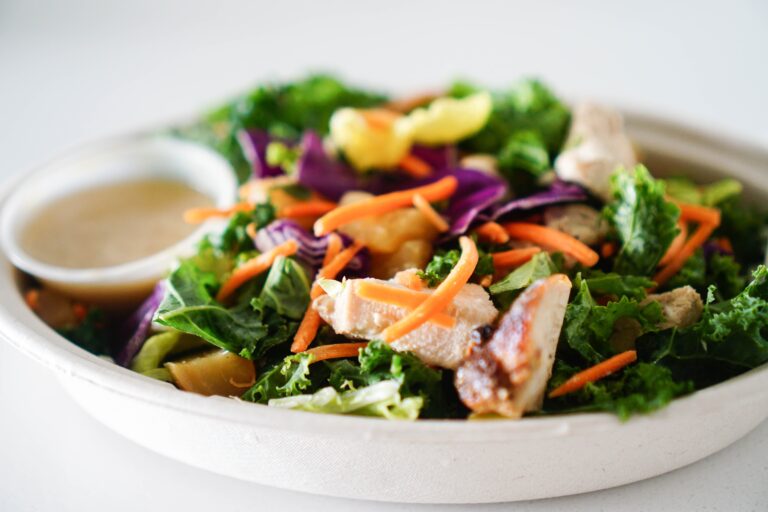

Calories and Nutrition

Calories and Nutrition

Total Calories

The majority of individuals are now aware that eating well can help them live longer and keep a healthier body. In order to shed pounds, or more accurately, reduce body fat, the USDA advises reducing our daily caloric consumption. Moreover, it is advised that we consume no more fat than 30% of our total calories, with fewer than 10% of those calories coming from saturated fat, which is the type that harms our hearts the most. Additionally, you should only consume as many calories as your body actually needs, independent of the source (protein, carbs, etc.) in your diet. The body stores any calories that are not used during the day as fat. For advice on a diet customized to your unique eating habits and lifestyle, speak with your physician, dietician, or personal trainer.
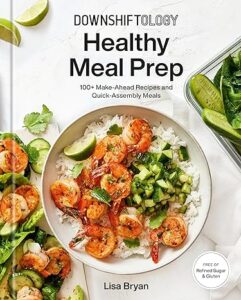
Healthy Meal Prep

Downshiftology Healthy Meal Prep
Explore a simpler, more balanced approach to meal prep with 100 fresh and healthy gluten-free recipes, brought to you by the creator of the popular blog and YouTube channel, Downshiftology.

By prepping a selection of healthy ingredients at the start of the week, she discovered she could enjoy a variety of meals and snacks without ever getting bored.

More Information…

Food Label

Nutritional Labels

The best place to start is by reading and comprehending the nutritional labels found on almost all packaged items. Make your purchasing decisions with the aid of the labels. Make your purchasing decisions with the aid of the labels. And bear these in mind the next time you go out to dine—even if a growing number of menus include some nutritional and calorie information. Calories per serving and additional categories like total fat and saturated fat are included in the nutritional facts on a label. Select meals that are high in fiber, low in fat, and moderate in calories.

Healthy Eating

It pays off to take the time to incorporate a range of healthful ingredients in moderate-sized portions at each meal since this will prevent you from growing bored, which can occasionally occur while eating healthfully. Cookbooks on selecting and preparing tasty, healthful meals are abundant on the shelves of your neighborhood bookstore, as well as in the food section of most lifestyle magazines and your newspaper. You’ll stay on your regimen if you take a little more time to plan out your meals for the coming week. As you track your progress, you will notice improvements more quickly the longer you maintain a well-rounded diet.


Fitness Banner

Similar Posts

  • | |

    Step On It

    A Step Toward A Healthier Life Step On It is a program based on information about what works in weight loss. It also uses body fat monitors to help you chart your progress towards losing unhealthy fat. The Path to Fitness is Right at Your Own Feet – The program consists of three steps to…

  • Weight Control

    Controlling Your Weight Do not feel alone if you or a loved one have repeatedly considered this; you are not alone! Adults in America are trying to lose weight in about 75% of cases. The issue is that most of us don’t know exactly what to do to lose weight and subsequently control it, aside…

  • Weight Training Tips

    A Typical Workout A typical workout with weights includes a warm-up of five to ten minutes followed by an exercise routine that leaves the muscles thoroughly exhausted. Your exact exercise routine should be formulated with an exercise specialist in a gym. Your personal trainer will tell you just how to position yourself, how to lift…

  • Protein Defined

    Protein – Defined, Requirements, and Food Sources Much has been said about protein in our diets – that we need it (as of course we do), that athletes should load up on it, that not all proteins are created equal, that we eat too much protein and should therefore cut down our consumption of meat…

  • Benefits of Fiber

    Facts and Benefits of Fiber Fiber is not a single substance. It is an enormous group of widely different chemical substances with varied physical properties. Fiber is divided into two basic types – soluble and insoluble. Foods differ in the type and amount of fiber they contain. But all types of fiber have two things…

Leave a Reply

Your email address will not be published. Required fields are marked *