Everyday Habits That Help Lower Cholesterol Naturally
Lowering your cholesterol doesn’t require a single dramatic change. Instead, it comes down to a series of steady, practical habits that work together over time. When you focus on improving fat quality, increasing movement, and building meals around fiber-rich foods, you create a strong foundation for better heart health.
These changes don’t just influence your cholesterol numbers—they also support energy levels, metabolic health, and long-term disease prevention.
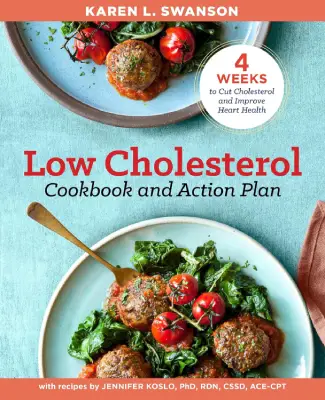
Low Cholesterol Cookbook and Action Plan
An easy-to-follow 4-week program to Cut Cholesterol and Improve Heart Health. This low cholesterol cookbook delivers comprehensive recipes and a proactive meal plan that can help you eliminate bad fats without missing out on the delectable flavors you crave.
Rethinking Fats: It’s About Substitution, Not Addition
One of the most effective ways to improve your cholesterol profile is to shift the types of fats you use every day.
Unsaturated fats—both monounsaturated and polyunsaturated—can help lower LDL cholesterol when they replace saturated fats in your diet. You’ll find these healthier fats in foods like:
- Olive oil
- Corn oil
- Safflower oil
- Nuts and seeds
- Fatty fish
This doesn’t mean adding more fat overall. Instead, the goal is to replace sources of saturated fat—like butter, lard, or high-fat meats—with unsaturated options while keeping total fat intake balanced.
For example, you might cook with olive oil instead of butter or choose fish in place of red meat a few times per week. These small substitutions gradually improve the overall fat profile of your diet without making meals feel restrictive.
Weight and Cholesterol: A Direct Connection
Body weight plays a meaningful role in cholesterol levels. Carrying excess body fat—especially around the midsection—can increase total cholesterol and LDL levels while also raising overall cardiovascular risk.
Even modest weight loss can lead to measurable improvements. On average, small reductions in body fat are associated with gradual declines in total cholesterol levels.
You don’t need rapid or extreme weight loss to see benefits. In fact, steady, sustainable changes—like improving food quality and increasing daily movement—are often more effective long term.
You’ll likely notice that as your eating habits become more balanced and your activity level increases, weight tends to adjust naturally over time.
Movement as a Daily Cholesterol Tool
Exercise is one of the most reliable ways to improve your cholesterol balance.

Regular aerobic activity helps:
- Lower total and LDL cholesterol
- Raise HDL cholesterol
- Improve circulation and heart function
- Support weight management
A consistent routine—such as 30 minutes of moderate-intensity activity at least three times per week—can make a meaningful difference. Activities like brisk walking, cycling, or swimming are all effective.
If you go beyond that baseline and stay active most days of the week, the benefits continue to build. The key is consistency, not intensity. You’re aiming for a pattern you can maintain, not a short burst of effort.
Fiber: A Quiet but Powerful Ally
Soluble fiber plays a unique role in cholesterol management. It helps bind cholesterol in the digestive system and removes it from the body before it enters the bloodstream.
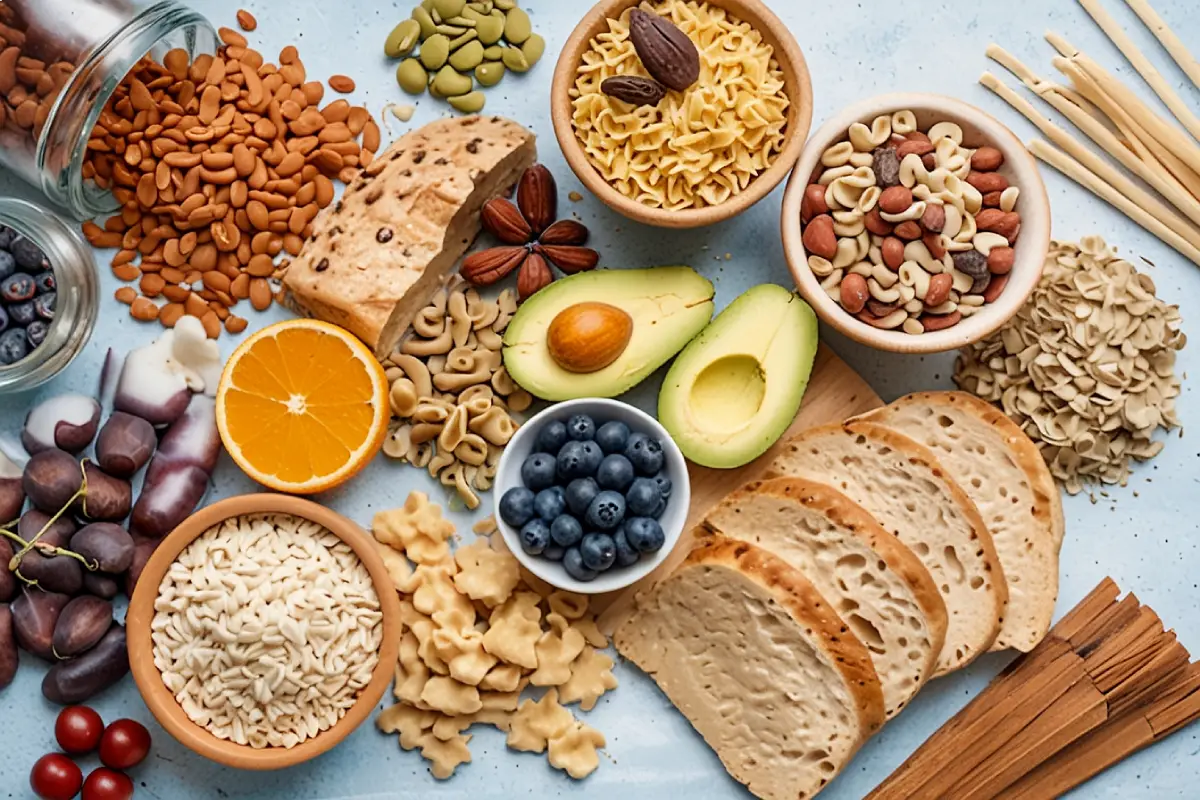
You’ll find soluble fiber in a variety of everyday foods, including:
- Oats and oat bran
- Beans such as kidney beans and black-eyed peas
- Vegetables like sweet potatoes, zucchini, and broccoli
- Fruits such as apples, pears, bananas, and oranges
Adding these foods regularly can support gradual reductions in LDL cholesterol while also improving digestion and helping you feel fuller after meals.
A simple way to increase fiber is to include at least one high-fiber food at each meal—such as oatmeal at breakfast, beans in a salad or soup, or fruit as a snack.
Smoking and Cholesterol: A Hidden Risk Factor
Smoking affects more than your lungs—it directly impacts your cardiovascular system.
It can:
- Increase total cholesterol
- Lower HDL (“good”) cholesterol
- Damage blood vessel walls
- Accelerate plaque buildup
This combination significantly raises the risk of heart disease. When you stop smoking, HDL levels often improve, and overall cardiovascular risk begins to decline.
If cholesterol management is your goal, avoiding tobacco is one of the most impactful steps you can take.
Bringing These Habits Together
Each of these strategies works best when combined. You don’t need to implement everything at once, but layering these habits over time creates a meaningful shift in your health.
You might begin by:
- Swapping butter for olive oil in cooking
- Adding a few more fiber-rich foods each day
- Walking consistently several times per week
- Choosing fish more often than red meat
As these habits become part of your routine, they reinforce one another. Improved diet supports weight balance, movement enhances cholesterol levels, and fiber helps regulate both.
The result is a steady, sustainable approach to lowering cholesterol—one that fits into your daily life rather than disrupting it.
 |
|
Understanding Your Cholesterol Level Therapeutic Lifestyle Changes Diet What you need to know about Cholesterol testing Facts about Cholesterol |