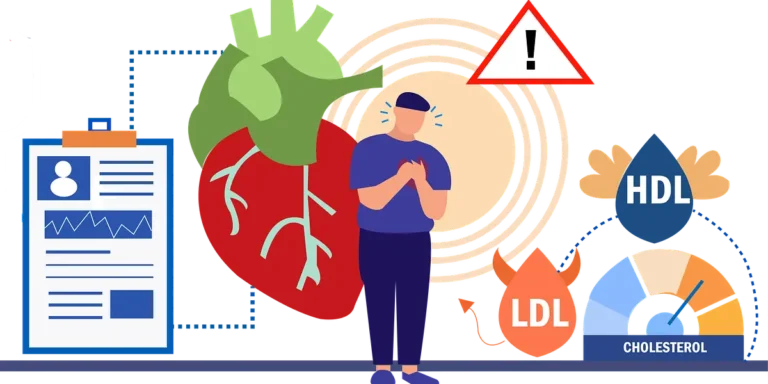

Cholesterol Testing Schedule: By Age & Risk Level

Cholesterol Testing Schedule: By Age & Risk Level


Age GroupRisk LevelRecommended Testing Frequency
20–39 yearsLow risk (no major risk factors)Every 5 years
Moderate/high risk (family history, diabetes, etc.)Every 1–3 years
Known heart disease or very high cholesterolAt least annually
Men 40–64 yearsLow riskEvery 5 years
Moderate/high risk (smoking, hypertension, etc.)Every 1–3 years
Known heart disease or prior heart attackEvery 6–12 months
Women 40–64 yearsLow riskEvery 5 years
Postmenopausal or moderate/high riskEvery 1–3 years
Known heart disease or prior heart attackEvery 6–12 months
65 years and olderAny risk levelEvery 1–3 years, more often if high risk

Extra Notes:

  • If starting or adjusting cholesterol-lowering medications, recheck in 6–12 weeks, then annually if stable.
  • Always test sooner if there’s a change in health (e.g., weight gain, new diabetes diagnosis).

Professional Grade Blood Cholesterol Testing

Professional Grade Blood Cholesterol Testing
ALL-IN-ONE KIT: Includes everything needed for testing – Test device, 5 Test strips, Lancets, and EziTube Rod. No additional purchase required. Provides reliable and accurate blood cholesterol readings, suitable for both professional and home use.


Learn More…


Also See
How can I keep my cholesterol level down?
What is Arteriosclerosis?
How often should i check my cholesterol?
What is the difference between HDL and LDL cholesterol?
What should I eat to lower cholesterol?
Fitness Banner

Similar Posts

  • Carbohydrates and Cholesterol

    How to Choose Grains and Starches That Support Heart and Metabolic Health Grains and starchy foods are often misunderstood. You may hear that carbohydrates should be limited or avoided, yet these foods have long been foundational to eating patterns linked with longevity and reduced chronic disease risk. The difference lies not in whether you eat…

  • |

    Dairy Products for lowering cholesterol

    Dairy products such as skim or low-fat milk, yogurt, and cheese can be beneficial for lowering cholesterol levels. These products are rich in calcium, which has been shown to help reduce the absorption of cholesterol in the gut. Additionally, they contain a type of fatty acid called conjugated linoleic acid (CLA) which may help lower…

  • Cholesterol Testing

    What you need to know about Cholesterol testing Having your blood cholesterol measured is a relatively simple and inexpensive process. The problem is in getting accurate results and then a sound interpretation of the figures. This blood test is complicated to run in a laboratory. Different labs use a variety of methods that yield differing…

Leave a Reply

Your email address will not be published. Required fields are marked *