

What to eat to lower cholesterol
What to Eat to Lower Your Cholesterol—and Support Healthy Arteries
You don’t need a “cholesterol detox” or a shelf full of supplements. The most powerful way to lower your cholesterol and protect your arteries is through intentional, heart-smart food choices. Here’s how to get started.
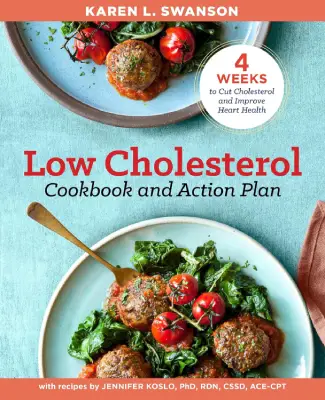
Low Cholesterol Cookbook and Action Plan
An easy-to-follow 4-week program to Cut Cholesterol and Improve Heart Health. This low cholesterol cookbook delivers comprehensive recipes and a proactive meal plan that can help you eliminate bad fats without missing out on the delectable flavors you crave.
🥦 1. Focus on Foods Low in Saturated Fat
Replacing saturated fat with healthier unsaturated fats can lower LDL (“bad”) cholesterol and support healthier arteries.
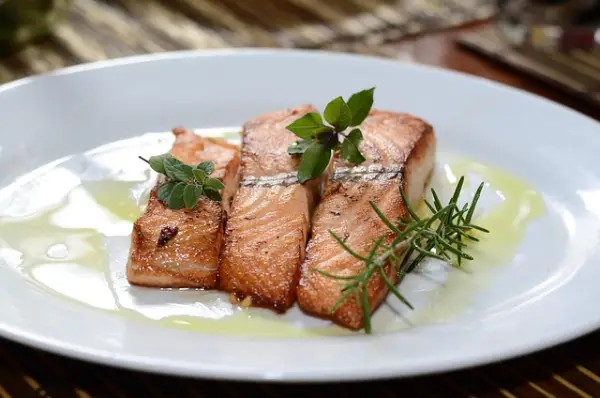
✅ Better choices:
- Fat-free or 1% dairy (milk, yogurt, cheese)
- Lean cuts of meat (look for “loin” or “round” in the name)
- Skinless poultry
- Fatty fish and shellfish (salmon, sardines, trout)
- Whole grain breads, pastas, and cereals
- Plenty of fruits and vegetables—aim for 5+ servings daily
🥑 2. Choose Heart-Healthy Fats
Swap butter or lard for soft margarines made with liquid vegetable oils (canola, olive, soybean) that are low in saturated fat and free of trans fats.
💡 Tip: Always check the label for “0g trans fat” and avoid anything with “partially hydrogenated oils.”
🌾 3. Eat More Soluble Fiber
Soluble fiber acts like a sponge, trapping cholesterol in your gut and carrying it out of your body.
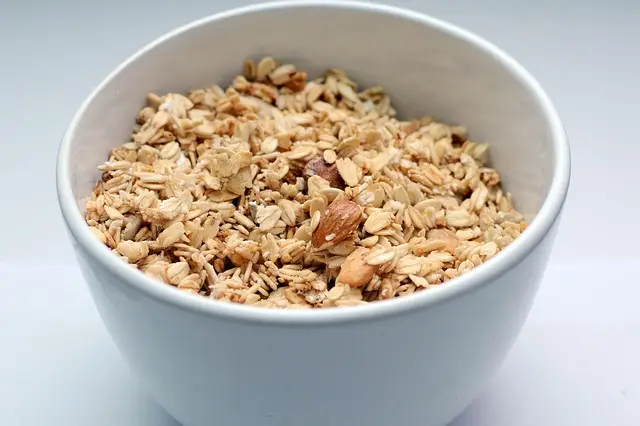
✅ Best sources:
- Oats and oat bran
- Beans, lentils, and peas
- Fruits like oranges, pears, and apples
- Vegetables like carrots and Brussels sprouts
Aim for 5–10 grams of soluble fiber daily for measurable cholesterol-lowering effects.
🚫 4. Limit Foods High in Dietary Cholesterol
While dietary cholesterol isn’t the main driver of blood cholesterol, cutting back can still help—especially for people with diabetes or high LDL.
🥚 Limit:
- Egg yolks (keep to 3–4 per week, or use egg whites)
- Organ meats (like liver)
- Full-fat dairy products (cream, butter, whole milk)
🥩 5. Cut Back on Saturated Fat-Rich Foods
Saturated fats raise LDL levels and promote plaque buildup. Reduce intake of:
- High-fat processed meats (sausages, hot dogs, salami)
- Untrimmed red meats
- Fried foods, especially fast food options
🔥 6. Use Heart-Smart Cooking Methods
How you cook matters as much as what you cook. These methods help reduce added fats:
- Bake, broil, grill, poach, or roast (use a rack so fat drips away)
- Light stir-frying or sautéing with olive or canola oil or low-sodium broth
- Use the microwave or air fryer for crispy textures without heavy oils
💡 Adam’s Tip: Think of your stove as your cholesterol management tool—it can make or break your efforts.
Lowering cholesterol isn’t about deprivation—it’s about building meals around fiber-rich plants, lean proteins, and healthy fats, while making smart swaps in your kitchen. These changes don’t just lower LDL—they also improve HDL (“good” cholesterol), reduce inflammation, and support overall artery health.
7-Day Meal Planner to Support Healthy Arteries
Food-Based Plan to Reduce Plaque and Support Healthy Arteries




One Comment