Food-Based Plan to Reduce Plaque and Support Healthy Arteries
1. Make Plants the Foundation of Your Plate
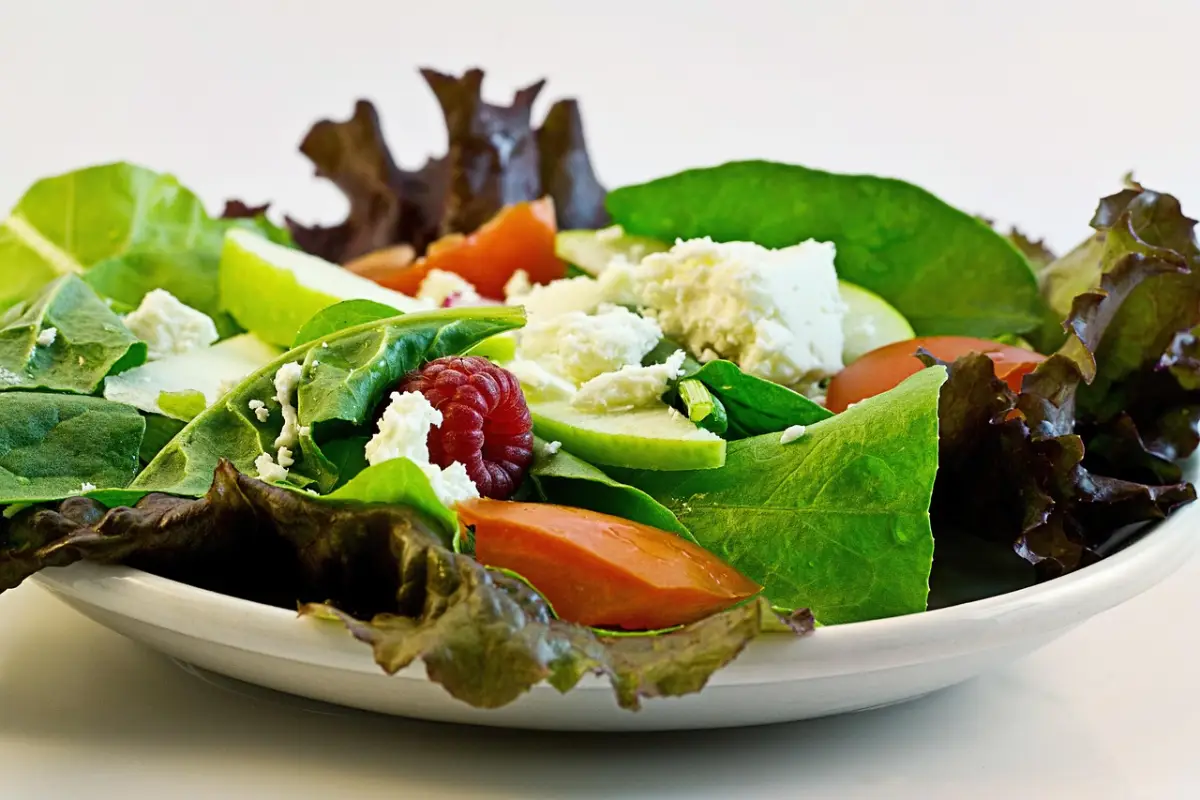
Goal: At least 5 servings of vegetables and 2–3 servings of fruit per day
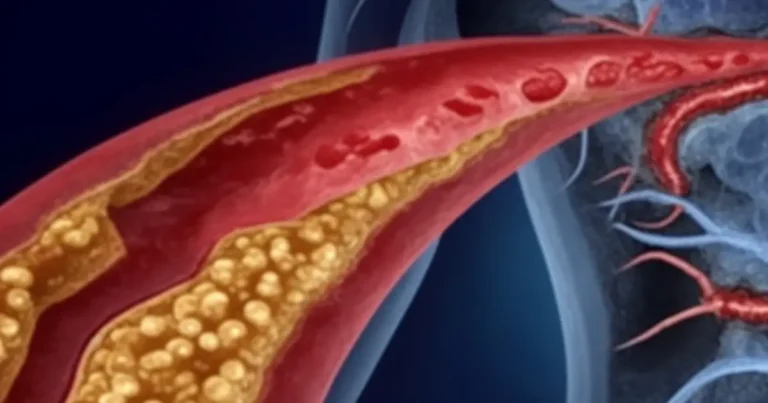
Plant foods are rich in antioxidants, fiber, and anti-inflammatory compounds that help protect your artery walls from oxidative damage—the real spark behind plaque formation.
✅ Best picks:
- Leafy greens (spinach, kale, collard greens) – high in nitrates to support blood flow
- Cruciferous veggies (broccoli, Brussels sprouts, cauliflower) – support arterial flexibility
- Berries (blueberries, strawberries, blackberries) – rich in polyphenols
- Citrus fruits – vitamin C helps stabilize plaques and support collagen in artery walls
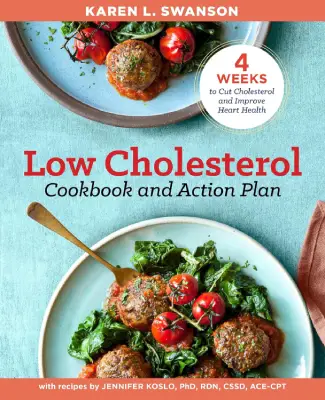
Low Cholesterol Cookbook and Action Plan
An easy-to-follow 4-week program to Cut Cholesterol and Improve Heart Health. This low cholesterol cookbook delivers comprehensive recipes and a proactive meal plan that can help you eliminate bad fats without missing out on the delectable flavors you crave.
2. Swap Refined Grains for Whole Grains
Goal: 3–5 servings of whole grains daily
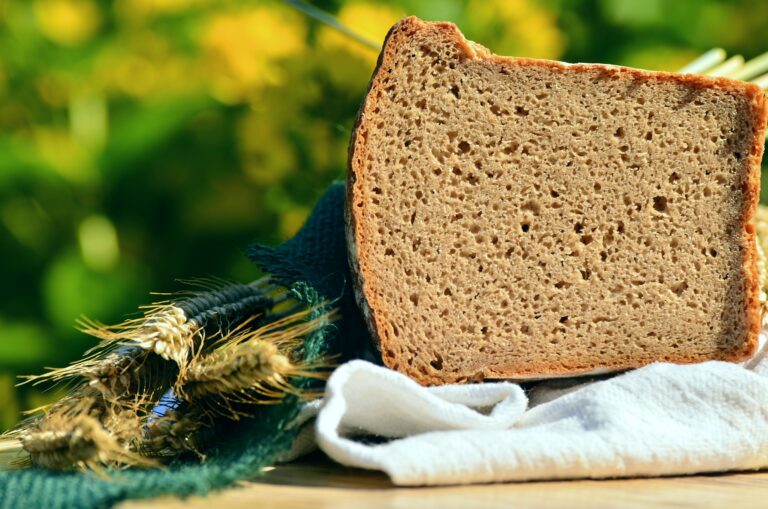
Whole grains help lower LDL and slow plaque growth by providing soluble fiber and phytochemicals that reduce inflammation and support insulin sensitivity.
✅ Best picks:
- Steel-cut oats
- Quinoa, farro, and barley
- Brown rice or wild rice
- Whole grain or sprouted bread (look for at least 3g fiber per slice)
3. Add Healthy Fats—Don’t Fear Them
Goal: Replace saturated fats with unsaturated fats, especially omega-3s
Healthy fats can stabilize plaque, reduce triglycerides, and lower overall inflammation. Rather than focusing on “low-fat,” focus on the type of fat.
✅ Best picks:
- Fatty fish (salmon, sardines, mackerel) – 2–3 times/week
- Avocados and olives – monounsaturated fat and potassium
- Nuts (walnuts, almonds, pistachios) – especially helpful for HDL and endothelial function
- Extra-virgin olive oil – rich in polyphenols; use daily
4. Pack In Soluble Fiber Daily
Goal: At least 5–10 grams of soluble fiber per day
Soluble fiber binds cholesterol in your gut, preventing it from entering your bloodstream. It also helps regulate blood sugar and supports gut bacteria linked to heart health.
✅ Best picks:
- Oats and oat bran
- Beans (black, kidney, pinto, chickpeas, lentils)
- Pears, apples, bananas
- Ground flaxseed – add 1 tbsp/day to smoothies or yogurt
5. Use Foods That Act Like Natural Statins
These foods help your body naturally lower LDL cholesterol and support plaque regression through their influence on liver cholesterol processing and antioxidant pathways.
✅ Power players:
- Soy (edamame, tofu, tempeh): contains plant-based proteins and isoflavones
- Psyllium husk: 1 tsp in water daily can significantly reduce LDL
- Green tea: catechins support vascular function
- Dark chocolate (70% or higher): in small amounts (1 square/day), can support endothelial health
6. Limit These for Arterial Protection
Rather than banning foods, focus on crowding out the less helpful choices:
🚫 Reduce:
- Processed meats (bacon, sausage, deli cuts)
- Added sugars (especially sugary drinks and baked goods)
- Refined carbs (white bread, crackers, instant rice)
- Trans fats (avoid anything with “partially hydrogenated oil”)
💡 Tip: Try a “5-day heart tune-up” by skipping red meat, sugar, and fried foods—and instead eating only plant-forward meals with fish, legumes, whole grains, and colorful produce.
Sample Daily Plan for Heart Health
Breakfast:
Steel-cut oats with chia seeds, blueberries, and a spoon of ground flaxseed
Green tea or black coffee
Lunch:
Mixed greens with chickpeas, roasted sweet potatoes, avocado, olive oil + lemon
Whole grain pita on the side
Snack:
Apple slices with almond butter
A handful of walnuts
Dinner:
Grilled salmon with quinoa and steamed broccoli
Side of lentils with herbs and olive oil drizzle
Meal Planner to Support Healthy Arteries
Lowering your risk of plaque buildup doesn’t mean cutting everything you love. It means adding the right foods consistently—and understanding the “why” behind them. Your arteries don’t need magic pills—they need protection, nutrients, and support.
If you’re managing high cholesterol or already have early plaque buildup, this plan is your starting point. And if things still aren’t budging despite your best efforts? That’s when a deeper look with a lipid specialist—including advanced markers, genetic risk, or medication options—can help you get to the root.