
Arteriosclerosis
Understanding Arteriosclerosis and Atherosclerosis
What’s really going on inside your arteries?
When we talk about heart disease or circulation problems, the terms “arteriosclerosis” and “atherosclerosis” often come up—but they’re not interchangeable. Let’s break them down in a way that makes sense for anyone trying to protect their cardiovascular health.
The Bigger Picture
Arteriosclerosis is a broad term that refers to the stiffening, thickening, or loss of elasticity in arterial walls. Think of it like the difference between a flexible garden hose and one that’s been left out in the sun for too long—it becomes rigid, less responsive, and prone to cracking. That same process, happening silently in your arteries, reduces their ability to expand and contract with each heartbeat.
This condition becomes more common with age, but it can also be accelerated by lifestyle factors such as smoking, high blood pressure, or diabetes.
The Most Common—and Dangerous—Form
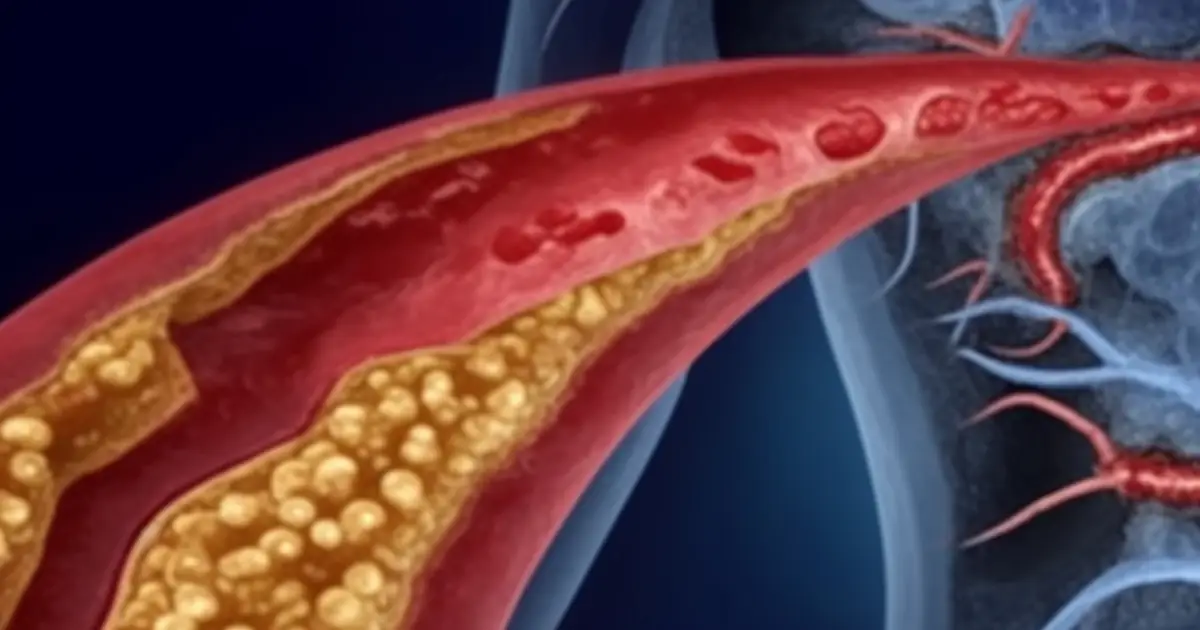
Atherosclerosis is the most common type of arteriosclerosis. It involves plaque buildup inside the arteries, especially at points where arteries branch or curve—areas that are more prone to damage from turbulent blood flow.
Here’s how it progresses:
- Damage to the inner arterial wall triggers inflammation. This damage can be caused by high blood pressure, smoking, diabetes, or oxidized particles in the bloodstream.
- Fatty deposits, cholesterol, calcium, and other debris collect at the site, forming plaque.
- Over time, the plaque narrows the artery, reducing blood flow. If the plaque ruptures, it can trigger a blood clot, completely blocking the artery.
Depending on where this happens, the result could be:
- A heart attack (if in coronary arteries)
- A stroke (if in the brain)
- Gangrene (if in the legs or feet due to critical limb ischemia)
Ischemia
The Slow Strangling of Blood Supply
When blood flow is restricted but not fully blocked, we call that ischemia. It means your tissues aren’t getting the oxygen and nutrients they need. Ischemia in different parts of the body causes different symptoms:
- Heart: Angina pectoris (chest pain during exertion)
- Legs: Intermittent claudication (pain or cramping while walking)
- Eyes: Retinopathy (especially in people with diabetes)
People with diabetes are at especially high risk because their arteries are more vulnerable to damage and inflammation—even at younger ages.
The Role of Free Radicals and Inflammation
It’s important to understand that cholesterol is not the enemy—at least, not in the way it’s often portrayed. The real problem starts with oxidative stress and inflammation, often triggered by free radicals—unstable molecules that damage cells and tissues.
Here’s a simplified chain reaction:
- Free radicals damage the arterial wall.
- The body responds by sending inflammatory cells and laying down a “patch” made of fibrin.
- Minerals and fats (including cholesterol) get caught in this patch, forming plaque.
- Cholesterol contributes to the structure and repair process, acting as a protective antioxidant—until it becomes oxidized itself and adds to the cycle.
So, while cholesterol is involved in plaque, it’s not the initiator of atherosclerosis. In fact, it often shows up at the scene as part of the body’s effort to repair and protect.
A Silent Threat
One of the most dangerous aspects of atherosclerosis is that it can be completely silent for decades. Nearly half of all cardiovascular deaths occur without any warning symptoms. This is why screening and risk assessment—including cholesterol panels, blood pressure checks, and tools like coronary artery calcium scoring—are so critical.
The Bottom Line
Heart disease isn’t about one bad number—it’s about understanding the full context: inflammation, oxidative stress, diet, lifestyle, and how all these interact with your genetics.
If you’re trying to take control of your cardiovascular health:
- Focus on reducing inflammation through diet and lifestyle.
- Improve cholesterol quality, not just lower the numbers.
- Understand that early detection saves lives—especially when symptoms are absent.
Food-Based Plan to Reduce Plaque and Support Healthy Arteries




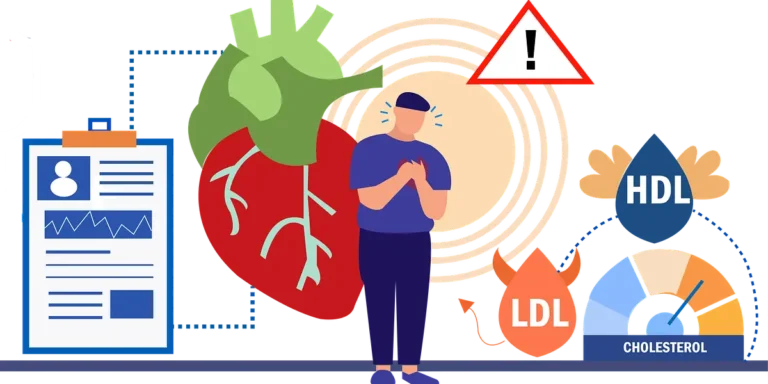



I had some chest tightness and shortness of breath. My doctor told me that I had coronary artery disease that could lead to a heart attack. She said that coronary artery disease kills almost 400,000 Americans annually.
This is a great article. It is a bit long but very informative.