Facts about Cholesterol
Cholesterol: What It Is, Where It Comes From, and How to Manage It
Cholesterol is often framed as something you need to eliminate. In reality, it’s a substance your body both uses and produces. Understanding where cholesterol comes from—and how your daily habits influence blood levels—gives you a clearer path toward protecting your heart.
When you look at cholesterol through a practical lens, you’ll see that balance matters more than avoidance. The goal isn’t perfection. It’s consistent, informed choices that support long-term cardiovascular health.
Where Cholesterol Comes From
Cholesterol is found only in animal-based foods. That includes:
- Meat
- Poultry
- Seafood
- Dairy products
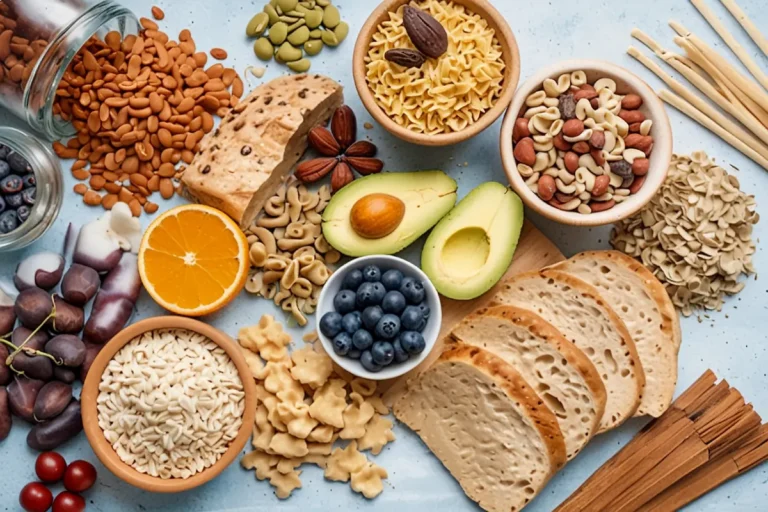
Plant foods do not contain cholesterol. Fruits, vegetables, grains, legumes, nuts, and seeds are naturally cholesterol-free.
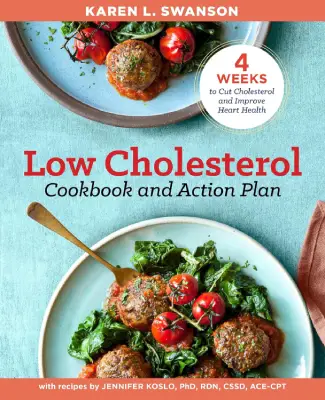
Low Cholesterol Cookbook and Action Plan
An easy-to-follow 4-week program to Cut Cholesterol and Improve Heart Health. This low cholesterol cookbook delivers comprehensive recipes and a proactive meal plan that can help you eliminate bad fats without missing out on the delectable flavors you crave.
However, dietary cholesterol is only part of the story. Your liver produces cholesterol on its own because your body needs it to build cells and make certain hormones. Even if you eliminated cholesterol from your diet entirely, your body would continue producing it.
In practice, removing all dietary cholesterol isn’t realistic—or necessary. Many cholesterol-containing foods also provide valuable protein, vitamins, and minerals. The focus is not on complete elimination but on managing overall intake and improving fat quality.
Saturated Fat: The Bigger Influence
For most people, saturated fat has a stronger impact on raising LDL (“bad”) cholesterol than dietary cholesterol itself.

Saturated fat is commonly found in:
- Fatty cuts of beef and pork
- Processed meats
- Butter and full-fat dairy
- Cream-based sauces
- Many baked goods
When you consume high amounts of saturated fat, your liver tends to produce more LDL cholesterol. Over time, elevated LDL can contribute to plaque buildup in artery walls, increasing the risk of heart disease and stroke.
Reducing saturated fat while emphasizing unsaturated fats—such as those found in olive oil, nuts, seeds, and fatty fish—helps shift your cholesterol profile in a healthier direction.
Can You Lower Cholesterol with Diet?
In many cases, yes.
Most people can lower their blood cholesterol levels by eating fewer saturated fats and choosing more fiber-rich, minimally processed foods. Even modest dietary adjustments can produce measurable improvements in LDL cholesterol within weeks to months.
Key dietary strategies include:
- Increasing soluble fiber from oats, beans, lentils, fruits, and vegetables
- Replacing butter and cream with plant-based oils
- Choosing lean protein sources
- Limiting processed meats and high-fat dairy
- Prioritizing whole grains over refined grains
When these changes are applied consistently, LDL levels often decline. Improvements are typically more significant when diet is combined with regular physical activity.
The Role of Exercise in Cholesterol Balance
Movement directly influences cholesterol metabolism.
Engaging in regular aerobic activity can:
- Lower LDL cholesterol
- Raise HDL (“good”) cholesterol
- Improve blood vessel flexibility
- Support healthy blood pressure
- Improve insulin sensitivity
Current health standards recommend at least 150 minutes of moderate-intensity aerobic activity per week, such as brisk walking, cycling, or swimming. Muscle-strengthening activities at least twice per week add additional metabolic benefits.
You don’t need extreme workouts. What matters most is consistency. Over time, regular movement contributes to meaningful improvements in cholesterol levels and overall cardiovascular risk.
Understanding a Low-Cholesterol Eating Pattern
If your LDL cholesterol is significantly elevated, your healthcare provider may recommend a structured dietary approach focused on lowering saturated fat and cholesterol intake.
These heart-focused eating patterns typically emphasize:
- Less than about 7–10% of total calories from saturated fat
- Limited dietary cholesterol intake
- Increased fiber intake
- Weight management if needed
When followed consistently, this type of eating pattern can reduce total cholesterol by approximately 10–15% in many individuals. Adding regular exercise may enhance results and improve HDL levels as well.
Rather than focusing on restriction alone, these dietary approaches encourage a shift toward nutrient-dense foods that naturally support lipid balance.
Why Weight Matters
Excess body weight—particularly abdominal fat—can increase LDL cholesterol and triglycerides while lowering HDL cholesterol.
Even modest weight reduction can improve lipid levels and reduce overall cardiovascular risk. The combination of fiber-rich foods, unsaturated fats, and regular physical activity often supports gradual, sustainable weight loss without extreme measures.
You’ll find that improving cholesterol rarely requires drastic interventions. Small changes applied consistently create cumulative impact.
What a Cholesterol Test Tells You
Cholesterol levels cannot be felt. You won’t experience symptoms simply because your LDL is elevated. That’s why routine blood testing plays such an important role.
A cholesterol test measures:
- LDL cholesterol
- HDL cholesterol
- Total cholesterol
- Triglycerides
These values help estimate your risk of heart attack, stroke, and other blood vessel diseases. They also guide decisions about lifestyle adjustments and, if necessary, medication.

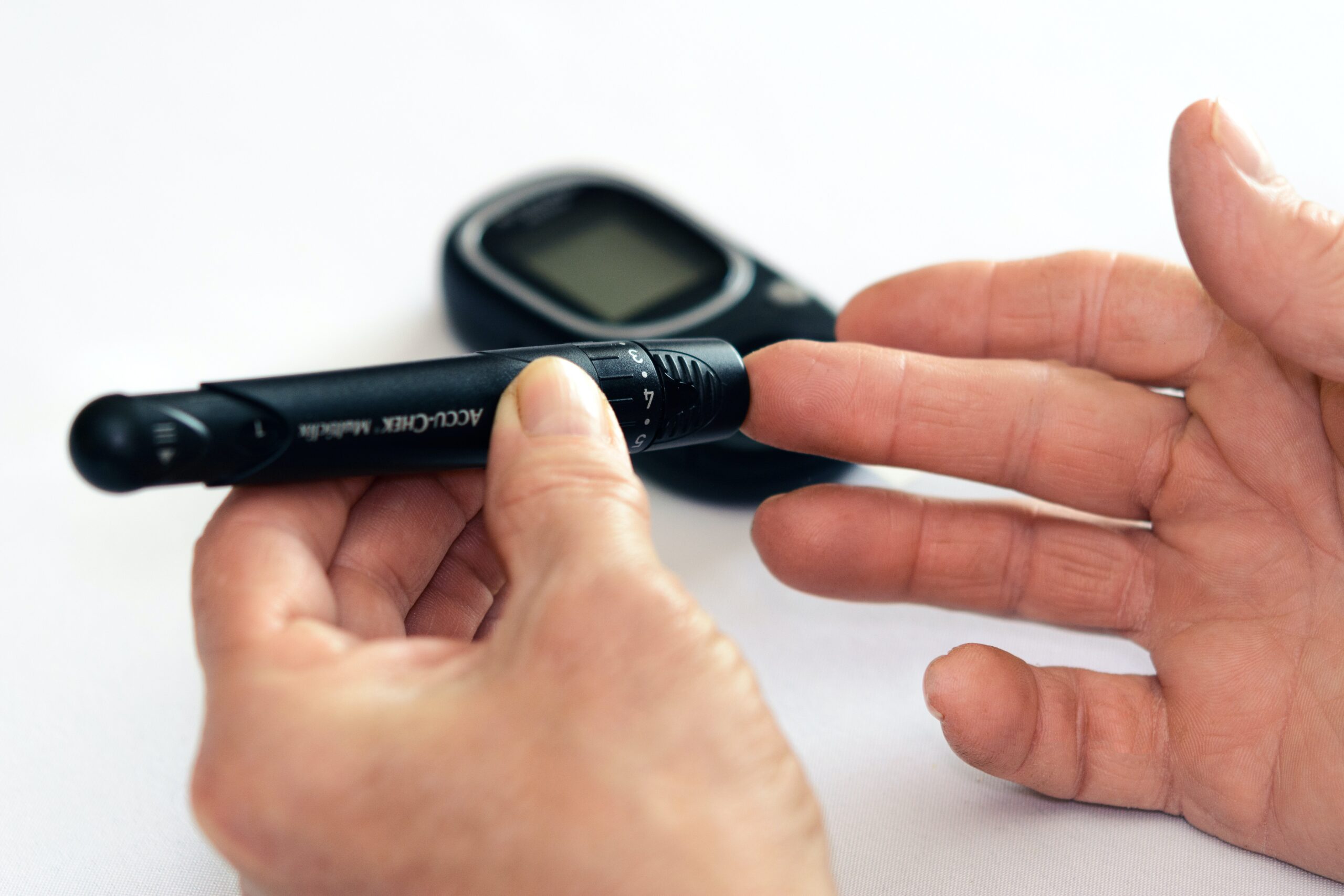
Professional Grade Blood Cholesterol Testing
ALL-IN-ONE KIT: Includes everything needed for testing – Test device, 5 Test strips, Lancets, and EziTube Rod. No additional purchase required. Provides reliable and accurate blood cholesterol readings, suitable for both professional and home use.
Regular screening allows you to track trends over time rather than relying on a single number. It provides a clearer picture of how your habits influence your cardiovascular health.
When Medication Is Considered
For some individuals—particularly those with very high LDL levels, diabetes, existing cardiovascular disease, or strong family history—lifestyle changes alone may not be enough.
In these situations, medication may be prescribed to reduce LDL cholesterol and lower cardiovascular risk. These treatments are most effective when paired with the same nutrition and activity patterns that support heart health.
Medication does not replace lifestyle habits; it strengthens the overall risk-reduction strategy.
Cholesterol in Context
Cholesterol management is not about eliminating a single nutrient. It’s about supporting your entire cardiovascular system through balanced eating, consistent movement, healthy weight, and routine monitoring.
When you reduce saturated fat, increase fiber, stay physically active, and understand your lab numbers, you give your body the conditions it needs to maintain healthier cholesterol levels over time.
Cholesterol Questions
How can I keep my cholesterol level down?
What is Arteriosclerosis?
When should I start checking my cholesterol level?
How often should i check my cholesterol?
What is the difference between HDL and LDL cholesterol?
What should I eat to lower cholesterol?