
Carbohydrates and Cholesterol
How to Choose Grains and Starches That Support Heart and Metabolic Health
Grains and starchy foods are often misunderstood. You may hear that carbohydrates should be limited or avoided, yet these foods have long been foundational to eating patterns linked with longevity and reduced chronic disease risk. The difference lies not in whether you eat grains and starches, but in which types you choose and how they fit into your overall balance of nutrients.

When selected thoughtfully, foods like bread, cereal, rice, pasta, beans, and peas provide steady energy, important nutrients, and dietary fiber while remaining naturally low in saturated fat and free of dietary cholesterol. Understanding how to make smarter choices within this group helps support heart health, blood sugar stability, and overall metabolic function.
Why Grains and Legumes Matter in a Healthy Diet
Understanding Carbohydrates, Fiber, and Calorie Balance
Many traditional guidelines suggested multiple daily servings of grains, but current best practices emphasize flexibility based on your individual health profile. You’ll benefit most by focusing on fiber-rich carbohydrates and adjusting portions to match your activity level, metabolic health, and lipid profile.
Low Cholesterol Cookbook and Action Plan
An easy-to-follow 4-week program to Cut Cholesterol and Improve Heart Health. This low cholesterol cookbook delivers comprehensive recipes and a proactive meal plan that can help you eliminate bad fats without missing out on the delectable flavors you crave.
If you have elevated triglycerides or low HDL cholesterol, keeping carbohydrate intake below roughly 60% of total daily calories may be helpful. In these cases, some people do well with a slightly higher fat intake—up to about 35% of total calories—when those fats come primarily from unsaturated sources instead of saturated ones.
Fiber remains central regardless of the carbohydrate level you choose. Whole grains and legumes help regulate digestion, improve cholesterol handling, and support steadier blood sugar levels throughout the day.
Bread Choices: Whole Grain Makes the Difference

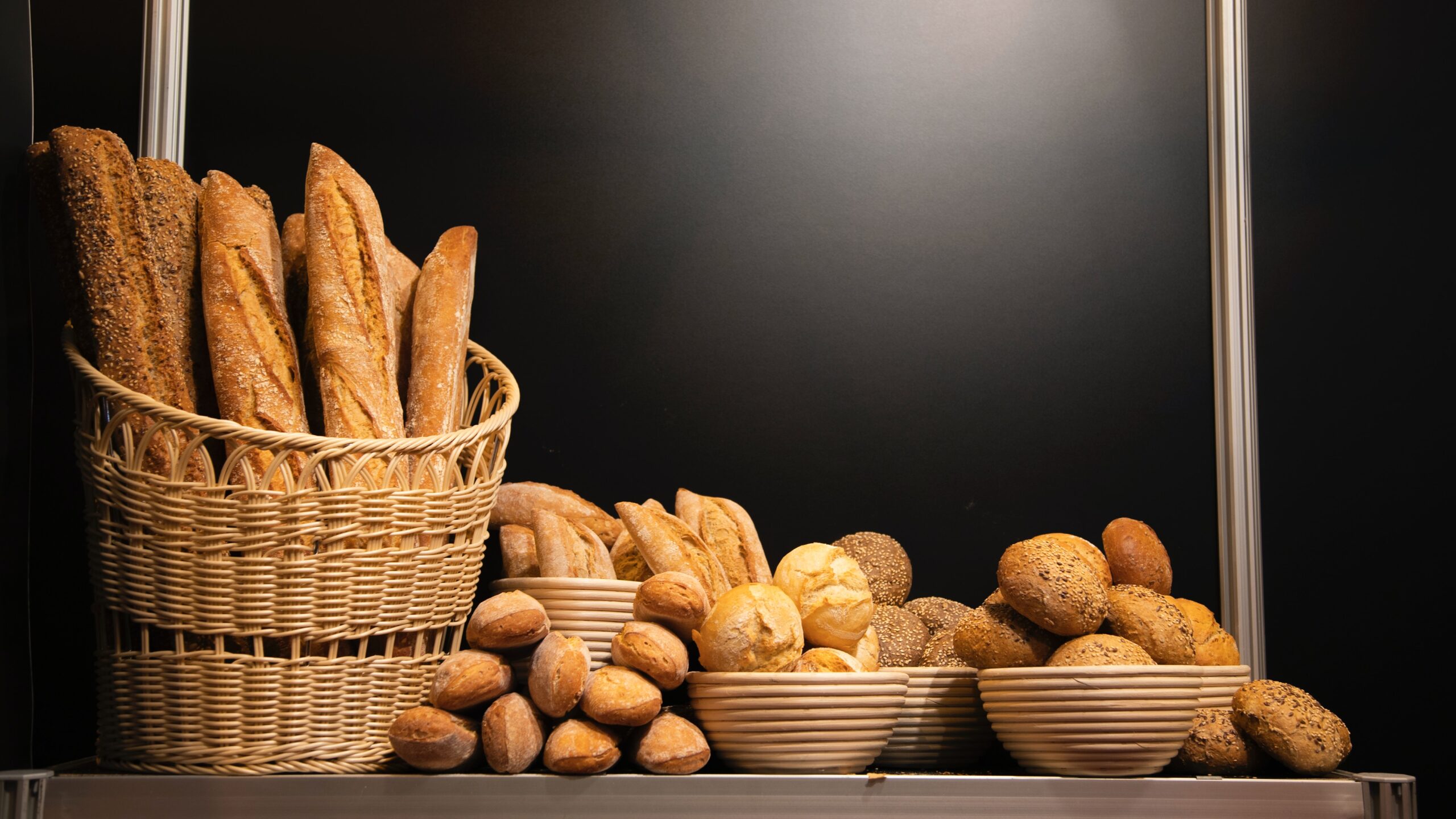
Bread is often where grain quality diverges most clearly. Whole grain breads and rolls contain the bran and germ of the grain, which significantly increases fiber content and nutrient density compared with white bread.
You’ll want to be cautious with bakery-style and sweet breads. Many are made with butter, eggs, and whole milk, which raise saturated fat and cholesterol content. While these products may still be labeled as “bread,” their nutritional impact is very different from that of a simple whole grain loaf.
When possible, choosing breads with whole grains listed first in the ingredient list helps ensure you’re getting more fiber and fewer unnecessary fats.
Breakfast Cereals: Convenience with Caveats
Dry breakfast cereals can be a practical way to include grains, especially when time is limited. Many options are naturally low in fat and provide a meaningful amount of fiber when whole grains are used.
However, not all cereals are created equal. Granola, muesli, and some oat-based blends often include coconut oil, coconut flakes, or large amounts of nuts. While nuts can be part of a balanced eating pattern, coconut-based fats are higher in saturated fat, which may work against heart-health goals when consumed frequently.
How you serve cereal matters as well. Using fat-free or 1% milk instead of whole or 2% milk reduces saturated fat and cholesterol intake without sacrificing protein or calcium. For better blood sugar stability, pairing cereal with a protein-rich food can also help slow digestion.
Pasta, Rice, and Grains as Satisfying Main Dishes

Pasta and rice don’t have to be side dishes. When used as the base of a meal and paired with vegetables, legumes, and lean proteins, they provide sustained energy and satiety.
Whole grain pasta and brown or wild rice offer more fiber than refined versions, which supports digestive health and steadier glucose levels. The grain itself is rarely the problem; sauces and toppings often are.
High-fat sauces made with butter, cream, or large amounts of cheese can quickly increase saturated fat and calorie intake. Choosing tomato-based sauces, vegetable-forward preparations, or modest amounts of healthy oils keeps meals aligned with heart-friendly patterns while still delivering flavor.
Beans and Peas: A Nutritional Advantage
Dry beans and peas stand out within the grain and starch category. They’re naturally low in fat, free of cholesterol, and exceptionally high in fiber. They also provide plant-based protein, which makes them particularly useful for supporting metabolic health.
You’ll notice that meals containing beans tend to be more filling, which can help with appetite regulation and weight management. Their slow-digesting carbohydrates support stable blood sugar responses, making them especially valuable if you’re managing insulin resistance or diabetes.
Beans also help shift the overall fat profile of your diet when they replace higher-fat animal proteins, supporting healthier cholesterol patterns over time.
Portion Awareness Without Elimination
Eating grains doesn’t require rigid rules, but portion awareness is important. Even high-quality carbohydrates can contribute excess calories when portions consistently exceed your needs.
A balanced plate often includes grains as one component rather than the dominant feature. Pairing them with vegetables, legumes, and unsaturated fats helps moderate digestion and improves overall nutrient balance.
You’ll find that this approach supports energy levels without the swings that often come from refined or oversized carbohydrate servings.
Grain-Based Foods to Limit
Not all foods in the grain category support long-term health equally. Sweet baked goods such as croissants, pastries, muffins, biscuits, butter rolls, and doughnuts are typically made with significant amounts of butter, eggs, and whole milk.
These items are higher in saturated fat, cholesterol, and calories while offering minimal fiber. They’re also easy to overconsume, which can complicate cholesterol management and blood sugar control.
Viewing these foods as occasional indulgences rather than daily staples helps preserve the benefits of grains without undermining heart and metabolic health.
How Grains Fit into a Heart-Smart Pattern
Across modern nutrition guidance, the emphasis is consistent: prioritize whole, minimally processed plant foods; limit saturated fat; and balance carbohydrates with fiber, protein, and healthy fats.
Grains and legumes support these goals when chosen intentionally. Whole grains, dry beans, and simple preparations provide structure and nourishment without excess fat or cholesterol. Refined and heavily enriched grain products, especially those combined with butter and cream, tend to offer fewer benefits and greater risk when eaten frequently.
When you focus on quality, preparation, and balance, grains become a stabilizing force in your eating pattern rather than something to restrict or fear.








I love pasta and bread. What’s not to like. I appreciate that this makes it clear that you can have pasta and bread if shop wisely.