What is the difference between HDL and LDL
HDL vs. LDL Cholesterol: What You Need to Know
Cholesterol can feel confusing. You’re told some of it is “good,” some of it is “bad,” and all of it seems important. The truth is more nuanced—but understanding the difference between HDL and LDL cholesterol gives you real power over your heart health.

When you know how these two types of cholesterol function in your body, you’ll better understand why lifestyle habits matter so much. And you’ll see how everyday choices—what you eat, how you move, whether you smoke—directly influence your long-term cardiovascular risk.
HDL and LDL: The Functional Difference
Cholesterol itself isn’t the enemy. Your body needs it to build cells and produce certain hormones. The problem arises when cholesterol transport and balance become disrupted.

Professional Grade Blood Cholesterol Testing
ALL-IN-ONE KIT: Includes everything needed for testing – Test device, 5 Test strips, Lancets, and EziTube Rod. No additional purchase required. Provides reliable and accurate blood cholesterol readings, suitable for both professional and home use.
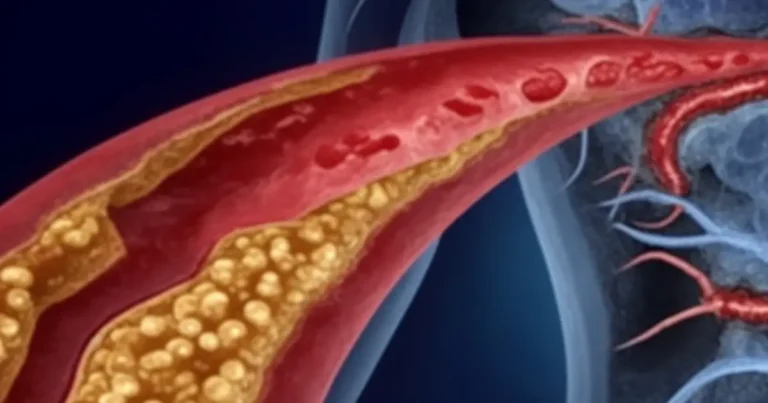
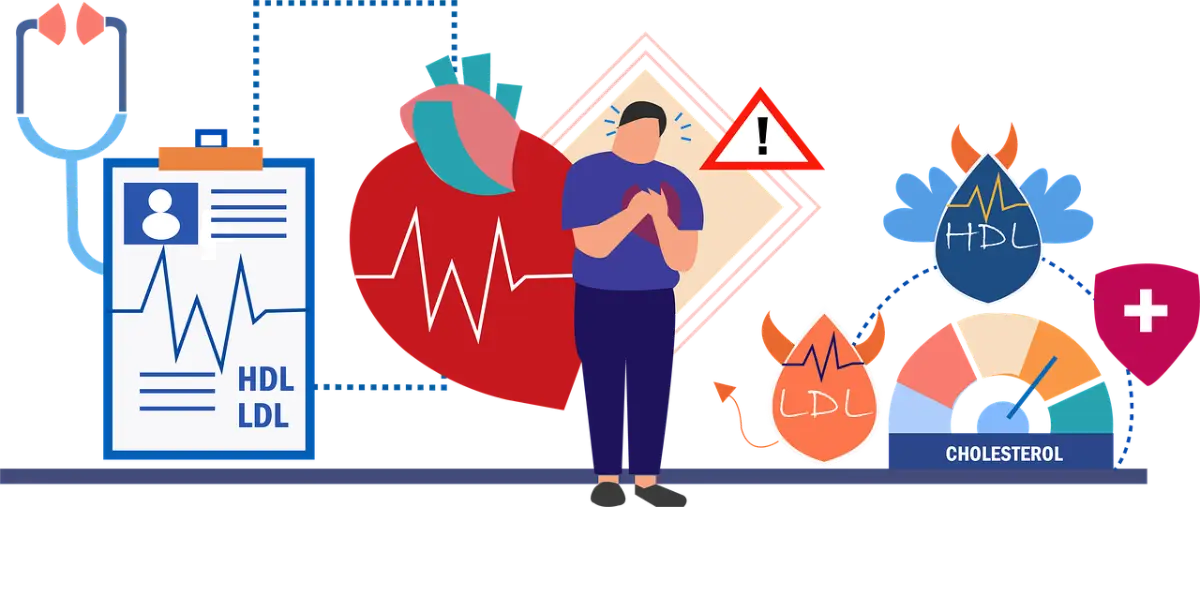
LDL (low-density lipoprotein) is often labeled “bad” cholesterol because it carries cholesterol from the liver into the bloodstream and toward tissues. When LDL levels are too high, excess cholesterol can deposit into artery walls. Over time, this buildup forms plaque, narrowing arteries and increasing the risk of heart attack and stroke.
HDL (high-density lipoprotein), on the other hand, is known as “good” cholesterol. It acts more like a cleanup system. HDL helps transport excess cholesterol away from the bloodstream and back to the liver for processing and removal. Higher HDL levels are generally associated with lower cardiovascular risk because this reverse transport helps reduce plaque accumulation.
You don’t want zero LDL, and you don’t need extremely high HDL—but you do want a healthy balance between the two.
Why Balance Matters More Than Labels
It’s tempting to think of LDL as entirely harmful and HDL as entirely protective. In reality, cardiovascular risk depends on overall cholesterol balance, inflammation levels, blood pressure, blood sugar control, and lifestyle factors.
Elevated LDL increases the likelihood of cholesterol buildup in artery walls. Low HDL reduces your body’s ability to clear that excess cholesterol. When both occur together—high LDL and low HDL—the risk increases more significantly.
Maintaining healthy cholesterol levels is one part of a broader pattern that supports cardiovascular health, including regular physical activity, balanced nutrition, weight management, and avoiding tobacco.
Strategies to Lower LDL
Nutrition to Lower LDL
Your diet plays a central role in shaping cholesterol levels. You don’t need extreme restrictions, but you do benefit from consistent, evidence-based choices.
To help reduce LDL cholesterol, focus on:
- Limiting saturated fats found in fatty cuts of meat, butter, full-fat dairy, and many baked goods.
- Avoiding trans fats, often present in highly processed snack foods.
- Increasing soluble fiber, which binds cholesterol in the digestive tract. Foods like oats, beans, lentils, fruits, and vegetables are especially helpful.
- Choosing whole grains instead of refined grains to improve overall lipid balance.
- Including unsaturated fats, such as those from nuts, seeds, olive oil, and fatty fish.
You’ll notice that this pattern emphasizes whole, minimally processed foods rather than strict elimination. Small daily decisions compound over time.
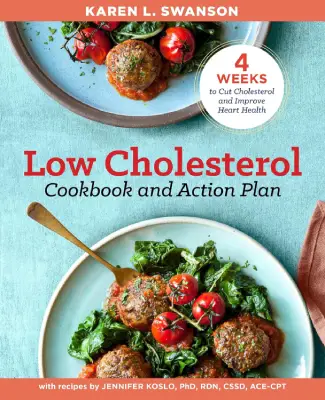
Low Cholesterol Cookbook and Action Plan
An easy-to-follow 4-week program to Cut Cholesterol and Improve Heart Health. This low cholesterol cookbook delivers comprehensive recipes and a proactive meal plan that can help you eliminate bad fats without missing out on the delectable flavors you crave.
Movement: A Direct Impact on Cholesterol
Physical activity is one of the most effective non-medication tools for improving cholesterol balance.

Regular aerobic activity can help:
- Lower LDL cholesterol
- Raise HDL cholesterol
- Improve blood vessel function
- Support healthy blood pressure
- Enhance insulin sensitivity
Current health standards recommend at least 150 minutes per week of moderate-intensity aerobic activity (such as brisk walking) or 75 minutes of vigorous activity. Adding muscle-strengthening activities at least two days per week further improves metabolic and cardiovascular health.
You don’t need to train for a marathon. Consistency matters more than intensity. Even daily brisk walks can meaningfully influence HDL and LDL levels over time.
Weight and Cholesterol: The Metabolic Link
Excess body weight—especially around the midsection—is strongly associated with higher LDL and lower HDL levels. Fat tissue is metabolically active, influencing inflammation, insulin resistance, and lipid production.
Losing even a modest amount of weight, if you are overweight, can improve cholesterol levels and reduce cardiovascular risk. The shift doesn’t need to be dramatic. Gradual, sustainable changes in eating patterns and activity levels are often more effective than rapid weight-loss attempts.
You’ll find that combining fiber-rich foods with regular movement often naturally supports healthier weight and cholesterol trends.
Smoking and Alcohol: Hidden Influencers
Smoking directly damages blood vessels and alters lipid metabolism. It tends to raise LDL and lower HDL, creating a double hit to cardiovascular health. Quitting smoking improves HDL levels and reduces overall heart disease risk relatively quickly.
Alcohol requires nuance. Small amounts may not significantly affect cholesterol for some individuals, but excessive alcohol intake can increase triglycerides and contribute to elevated LDL levels. Moderation remains important—particularly if you already have lipid abnormalities.
When Lifestyle Changes Aren’t Enough
Sometimes, despite consistent healthy habits, LDL cholesterol remains high due to genetics or other medical factors. In these cases, medication may be recommended to reduce cardiovascular risk.
Medications that lower LDL cholesterol can significantly decrease the likelihood of heart attack and stroke in high-risk individuals. These treatments work best when combined with the same lifestyle habits that support overall metabolic health.
If medication is prescribed, it complements—not replaces—your efforts in nutrition, activity, and weight management.
Monitoring and Long-Term Awareness
You won’t feel high cholesterol. It doesn’t cause symptoms until damage has already occurred. That’s why routine screening is essential.
Tracking LDL, HDL, triglycerides, and total cholesterol helps you understand your baseline and monitor progress. If you make lifestyle adjustments, you’ll typically see measurable changes within a few months.
Cholesterol management isn’t about chasing a single number. It’s about supporting your arteries over decades. When you improve HDL, reduce LDL, and address other risk factors, you strengthen the entire cardiovascular system.
Understanding how HDL and LDL function allows you to make informed choices. By aligning your eating habits, activity levels, and daily behaviors with evidence-based health principles, you create conditions that favor protection rather than plaque buildup—supporting your heart for the long term.
 |
|
How can I keep my cholesterol level down?
What is Arteriosclerosis? When should I start checking my cholesterol level? How often should i check my cholesterol? What should I eat to lower cholesterol? |