

Lowering Cholesterol Levels
Practical Steps to Lower Your Cholesterol Through Smarter Fat Choices
Managing your cholesterol isn’t about cutting out entire food groups or following rigid rules. It’s about understanding how different types of fat and cholesterol interact in your body—and making consistent, informed choices that support long-term heart health.
If you’re working to lower your blood cholesterol levels, the focus extends beyond just dietary cholesterol. Saturated fat plays a central role, often influencing how much cholesterol your body produces internally. When you address both, you create a more effective strategy for improving your lipid profile.
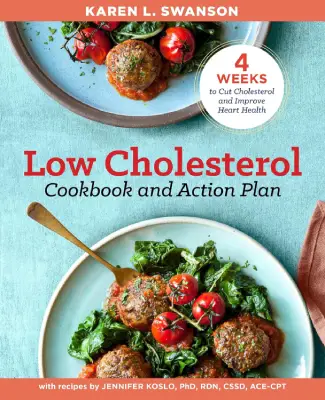
Low Cholesterol Cookbook and Action Plan
An easy-to-follow 4-week program to Cut Cholesterol and Improve Heart Health. This low cholesterol cookbook delivers comprehensive recipes and a proactive meal plan that can help you eliminate bad fats without missing out on the delectable flavors you crave.
Cholesterol vs. Fat: Understanding the Difference
Cholesterol and fat are often grouped together, but they are not the same thing.
Cholesterol is a waxy substance found only in animal-based foods, including:

- Meat
- Poultry
- Dairy products
- Eggs
Plant-based foods—such as fruits, vegetables, grains, nuts, and vegetable oils—do not contain cholesterol at all.
Fat, on the other hand, can be found in both plant and animal foods. This distinction matters because while you can eliminate dietary cholesterol by avoiding animal products, fat intake is more complex and requires a focus on type and quality.
Understanding this difference helps you make more precise adjustments to your eating habits.
Why Saturated Fat Has a Bigger Impact
While limiting dietary cholesterol is helpful, saturated fat has a more direct effect on raising LDL cholesterol levels.
Saturated fat is found primarily in:
- Beef and pork
- Poultry skin
- Whole milk and full-fat dairy products
- Butter, lard, and cream
- Certain tropical oils, including coconut, palm, and palm kernel
When you consume high amounts of saturated fat, your liver tends to produce more LDL cholesterol. Over time, elevated LDL levels can contribute to plaque buildup in arteries, increasing the risk of heart disease and stroke.
That’s why many heart-health guidelines emphasize reducing saturated fat as a primary strategy.
Recommended Intake Targets for Better Cholesterol Control
To support healthier cholesterol levels, it helps to stay within evidence-based intake ranges. A practical framework includes:
- Dietary cholesterol: Aim for no more than about 300 milligrams per day
- Total fat intake: Keep fat at roughly 30% or less of your daily calories
- Saturated fat: Limit to no more than 10% of daily calories
These ranges provide structure without requiring strict tracking. When you build meals around whole, minimally processed foods, you’ll often fall within these targets naturally.
Foods That Are High in Cholesterol vs. High in Fat
Some foods are high in cholesterol but not especially high in fat, while others are rich in fat but contain relatively little cholesterol. Recognizing this distinction helps you make more balanced decisions.
Higher in cholesterol, moderate in fat:
- Organ meats such as liver and kidney
- Eggs
Higher in fat, lower in cholesterol:
- Butter
- Lard
- Sour cream
This means you can’t rely on a single label—“high cholesterol” or “high fat”—to guide your choices. Instead, you’ll benefit from looking at the overall nutrient profile of each food.
Choosing Fats That Support Heart Health
Not all fats affect your cholesterol in the same way. Replacing saturated fats with unsaturated fats can improve your lipid profile and reduce cardiovascular risk.
Better fat choices include:
- Olive oil and other vegetable oils
- Nuts and seeds
- Fatty fish such as salmon or sardines
- Avocados
These foods provide unsaturated fats that help lower LDL cholesterol when used in place of saturated fats. They also contribute to satiety, making it easier to maintain balanced eating patterns.
You don’t need to eliminate fat—just shift the type of fat you use most often.
Building a Balanced Eating Pattern
Lowering cholesterol isn’t about focusing on a single nutrient. It’s about creating an overall eating pattern that supports metabolic health.
These habits help reduce both saturated fat and excess calorie intake, which together influence cholesterol levels and weight.
The Role of Physical Activity
While diet is central, physical activity also plays a meaningful role in cholesterol management.
Regular movement helps:
- Lower LDL cholesterol
- Raise HDL cholesterol
- Improve circulation
- Support healthy body weight
A consistent routine of moderate-intensity activity—such as brisk walking—combined with strength training a few times per week supports both cardiovascular and metabolic health.
You’ll find that combining movement with dietary changes produces more noticeable and lasting improvements than either approach alone.
Small Adjustments, Meaningful Results
You don’t need to overhaul your entire diet overnight. In fact, gradual changes are often more sustainable and effective.
You might start by:
- Switching from whole milk to a lower-fat option
- Trimming visible fat from meats
- Replacing butter with olive oil
- Adding more plant-based meals during the week
Each of these adjustments reduces saturated fat intake and helps shift your cholesterol profile in a healthier direction.
Over time, these small decisions build a consistent pattern that supports lower LDL cholesterol and better heart health.
Everyday Habits That Help Lower Cholesterol Naturally
 |
|
Understanding Your Cholesterol Level Therapeutic Lifestyle Changes Diet What you need to know about Cholesterol testing Facts about Cholesterol |




PuI do my best to limit the dairy and eggs that I eat. I do love butter and sour cream. I gob sour cream on almost everything.