End of the Day
Releasing the Weight We Carry
You’ve made it through the day. Maybe you’ve been hunched over a glowing screen, standing for hours on a hard floor, or elbow-deep in soap suds and sudsy thoughts. Whatever the setting, one thing is certain—by day’s end, the weight of accumulated stress is real. It creeps into your shoulders, your stomach, your breath. And while you may not always be able to name it, your body certainly can.
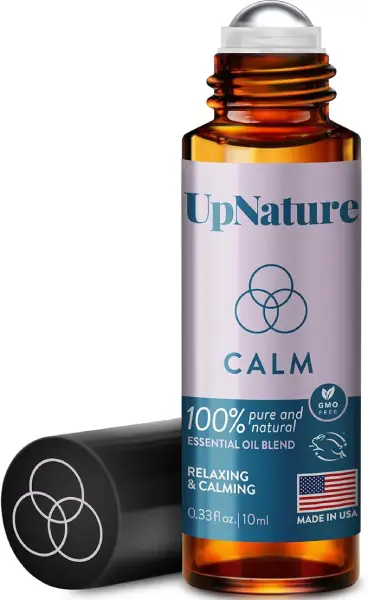
Calm Essential Oil
Perfect for unwinding after a long day, this roll-on is an essential addition to your self-care regimen, helping you find calm and balance whenever you need it.
When Emotions Turn Physical
Stress doesn’t just live in the mind; it nests in the body. Emotions like anxiety, anger, or lingering frustration can spark a cascade of physical reactions—tight muscles, elevated heart rate, a stomach doing somersaults. You might feel it as a knot in your back, a clenched jaw, or that familiar flutter in your chest.
What you’re experiencing is the ancient “fight or flight” response. This automatic, biological surge of energy was once the reason our ancestors survived actual life-or-death situations. The body, sensing danger, released epinephrine and norepinephrine—those famous stress hormones better known as adrenaline and noradrenaline. They flooded the bloodstream, increasing heart rate, heightening awareness, preparing the body to act—whether to fight or flee.
Modern Threats, Ancient Responses
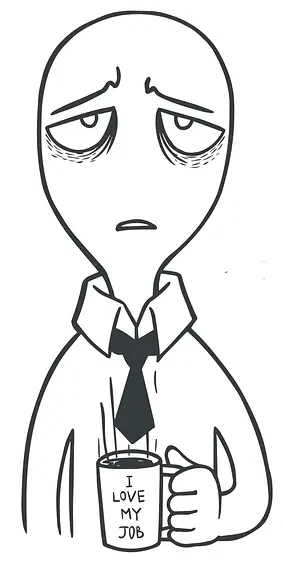
But here’s the catch: today’s threats rarely require us to throw punches or sprint through the forest. Instead, we face emotional ambushes—tense meetings, a curt email, the relentless ping of notifications, traffic jams, impossible deadlines, and yes, that one person in line with zero spatial awareness.
And yet, your body doesn’t know the difference. It still goes full throttle. Heart pounding, breath racing, muscles bracing for impact. The alarm sounds, even if the danger is “just” another stressful Tuesday.
Strategies for Shifting Gears
Thankfully, you don’t have to carry the chaos home with you. Think of the end of the day as a doorway. What you do as you walk through it can determine whether you’re continuing the tension—or reclaiming your calm.
🌿 Practice Relaxation Techniques
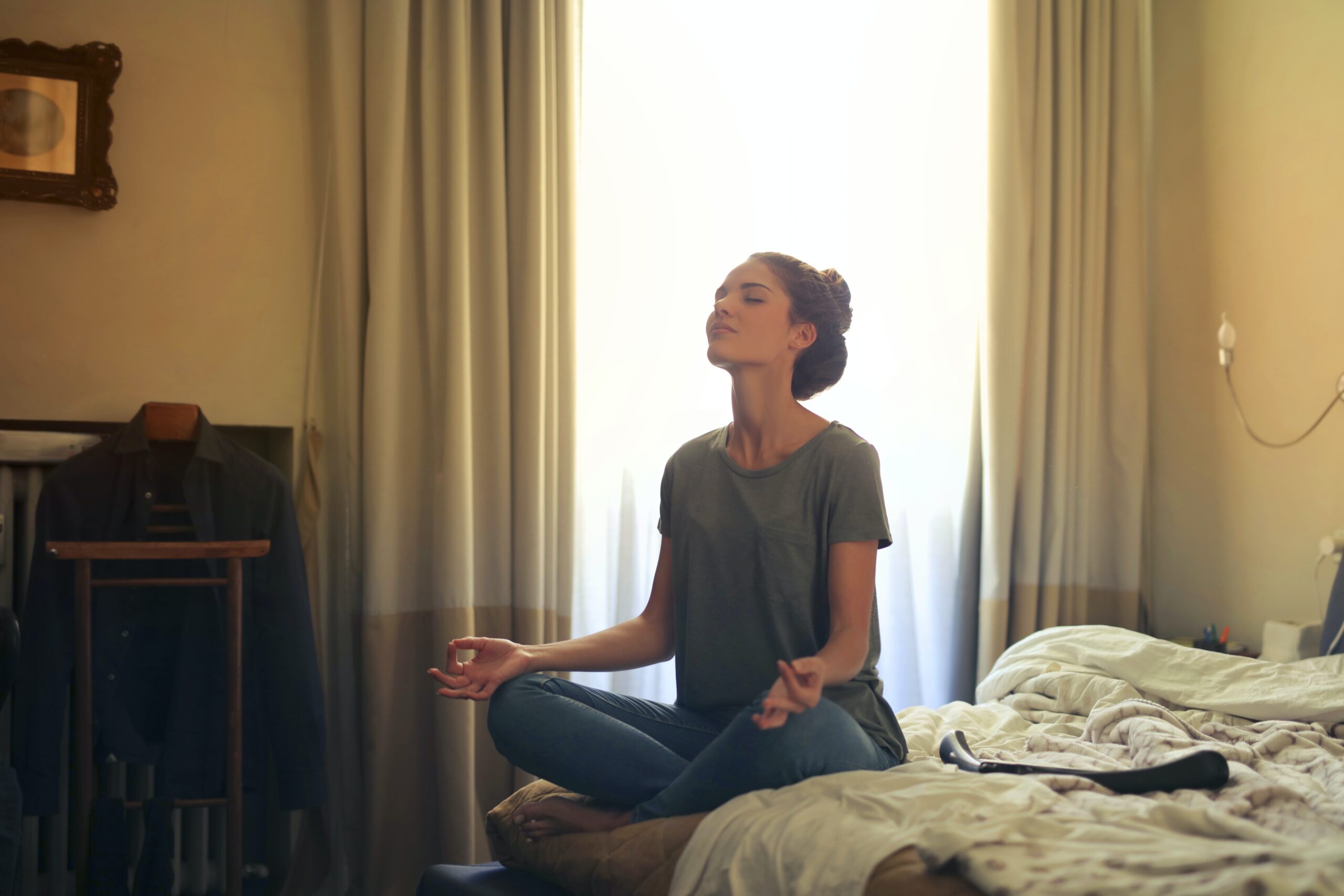
Start small. Deep breathing, a few mindful stretches, or five quiet minutes in a darkened room can soften the edges of a frayed day. Meditation apps, gentle yoga, or progressive muscle relaxation can also signal your body to stand down.
🛑 Set Boundaries That Stick
Blurring the lines between work and life is tempting—but costly. Create firm boundaries: no checking emails after dinner, no taking work calls on weekends, no apologizing for needing a break. You’re not a machine, and your value doesn’t live in your inbox.
🏃 Move Your Body
Exercise isn’t just for the body—it clears the mental fog. A brisk walk, a dance session in your living room, or even ten jumping jacks between tasks can help shift your energy and lower cortisol levels.
🤝 Connect With Others
Stress isolates; connection heals. Call a friend, laugh with your partner, share a story over dinner. Social interaction grounds you, offering perspective and warmth when the world feels cold.
💤 Get Serious About Sleep
Sleep isn’t a luxury—it’s essential maintenance. Try creating a wind-down routine: dim the lights, silence notifications, swap scrolling for a book or calming music. Let your nervous system know it’s safe to rest.
💬 Seek Support When Needed
If stress begins to feel like your constant companion, it may be time to talk it through—with a counselor, therapist, or support group. Asking for help isn’t weakness; it’s wisdom in action.
Redefining the Evening
At LiveKinetic, we believe the path to wellness begins not just with identifying stress, but with understanding how to let it go. The end of the day shouldn’t be the start of a new wave of pressure. Instead, it can be a space to breathe, release, and renew.
Take a moment. Notice the tension. And then—bit by bit—let it unravel.
 |
Being Supportive Coping with Stress Aches and Pains What is Stress Stress Busters |