
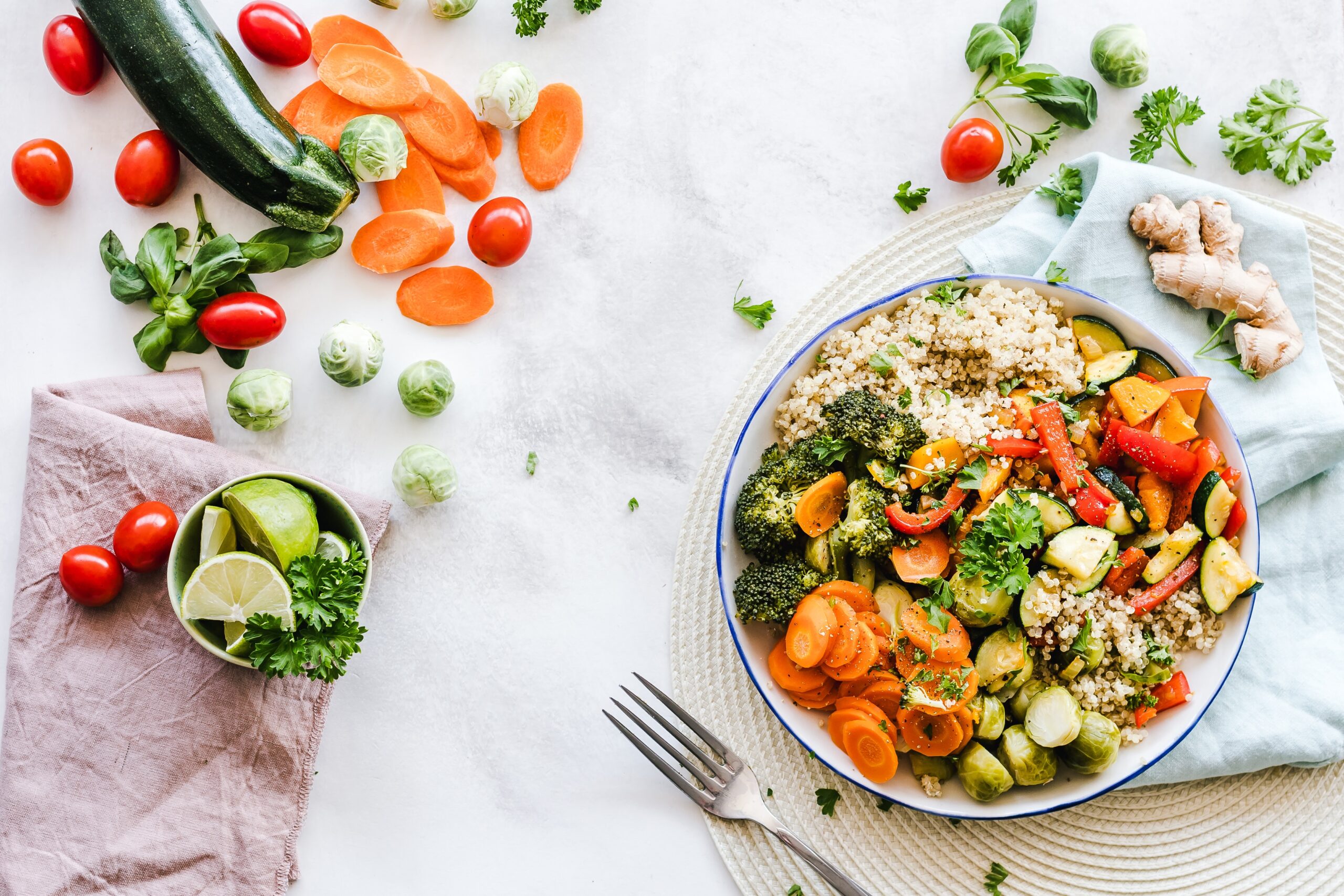
Therapeutic Lifestyle Changes Diet
Learn how a heart-focused eating plan lowers LDL cholesterol with balanced fats, fiber, and smart calorie choices.
Understanding a Heart-Focused Eating Plan for Lowering LDL Cholesterol
If your LDL cholesterol is higher than recommended, adjusting how you eat can be one of the most effective ways to improve your numbers. A structured eating approach that limits saturated fat and dietary cholesterol while emphasizing nutrient-dense foods can significantly reduce cardiovascular risk over time.
You don’t need an extreme diet to support healthier cholesterol levels. Instead, a balanced pattern of eating—focused on the quality of fats, appropriate calorie intake, and fiber-rich foods—can help bring LDL cholesterol closer to healthy ranges.
When you apply these principles consistently, you’ll often see improvements not only in cholesterol but also in blood pressure, metabolic health, and weight management.
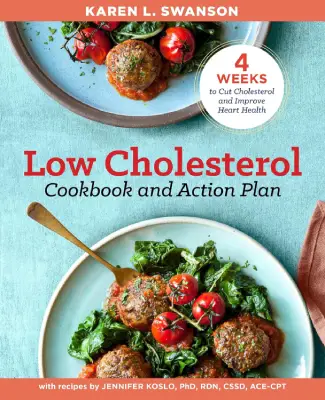
Low Cholesterol Cookbook and Action Plan
An easy-to-follow 4-week program to Cut Cholesterol and Improve Heart Health. This low cholesterol cookbook delivers comprehensive recipes and a proactive meal plan that can help you eliminate bad fats without missing out on the delectable flavors you crave.
Why Reducing Saturated Fat Matters
Saturated fat has a strong influence on LDL cholesterol levels. When you consume large amounts of saturated fat, your liver tends to produce more LDL cholesterol. Over time, excess LDL can accumulate in the walls of arteries, contributing to plaque buildup that narrows blood vessels and increases the risk of heart disease and stroke.
A heart-focused eating plan aims to keep saturated fat to a small percentage of your daily calorie intake. This shift usually means reducing foods such as fatty cuts of meat, butter, cream, and many processed baked goods.
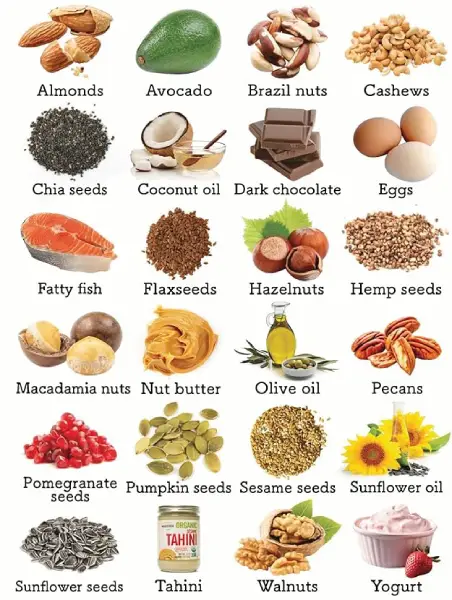
Instead of removing fats entirely, the goal is to replace saturated fats with healthier unsaturated fats found in foods like nuts, seeds, olive oil, and fish. This simple shift improves the balance of fats in your diet and supports better cholesterol levels.
Daily Fat Intake: Finding the Right Balance
Fat remains an important part of your diet. It provides energy, helps absorb certain vitamins, and contributes to satiety. The difference lies in the type and amount of fat you consume.
A balanced cholesterol-lowering eating pattern typically includes:
- Less than about 7% of total daily calories from saturated fat
- Approximately 25–35% of daily calories from total fat
- An emphasis on unsaturated fats rather than saturated fats
When fats come primarily from plant-based sources or fish instead of animal fats, they tend to support healthier lipid levels and improved cardiovascular function.
You’ll often find that meals built around vegetables, whole grains, legumes, and lean proteins naturally fall within these ranges without strict tracking.
Dietary Cholesterol: Keeping Intake Moderate
Dietary cholesterol comes only from animal foods such as meat, poultry, eggs, and dairy products. While dietary cholesterol generally affects blood cholesterol less than saturated fat does, keeping intake moderate still contributes to better LDL control.
A heart-focused eating pattern typically limits dietary cholesterol to less than 200 milligrams per day. This doesn’t require eliminating animal foods entirely, but it encourages thoughtful portions and balanced meal planning.
For example, you might prioritize lean protein sources, reduce processed meats, and balance animal foods with plant-based proteins like beans or lentils.
Sodium and Heart Health
While cholesterol control is the primary focus of this eating pattern, sodium intake also plays a role in cardiovascular health.
Higher sodium intake can contribute to elevated blood pressure, which adds strain to the heart and blood vessels. Limiting sodium helps maintain healthier blood pressure levels, further supporting long-term heart health.
Many heart-focused nutrition guidelines recommend keeping sodium intake below about 2,400 milligrams per day. You’ll reach this goal more easily by emphasizing fresh foods and limiting highly processed products, which often contain large amounts of added salt.
Calorie Balance and Weight Management
Your total calorie intake matters as much as the types of food you choose. Consuming more calories than your body needs can lead to weight gain, which is closely linked to higher LDL cholesterol and triglycerides.
A balanced eating plan aims to provide just enough calories to help you reach or maintain a healthy weight. For some individuals, modest weight loss can significantly improve cholesterol levels.
If you’re unsure what calorie level is appropriate for you, a healthcare professional or registered dietitian can help estimate your needs based on age, activity level, and overall health.
Even small adjustments—such as reducing portion sizes or increasing daily movement—can help restore energy balance over time.
Fiber: A Powerful Tool for Lowering LDL
One of the most effective nutrition strategies for reducing LDL cholesterol involves increasing soluble fiber intake.
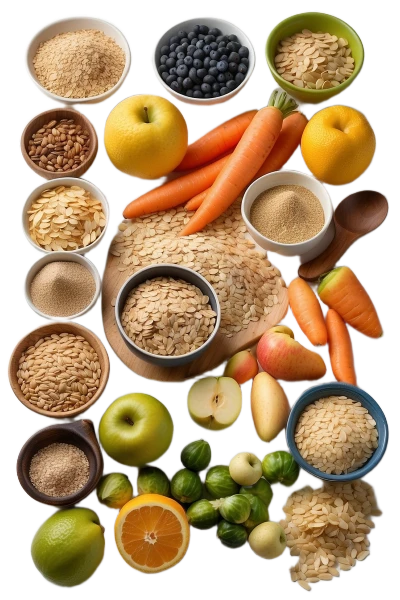
Soluble fiber forms a gel-like substance in the digestive tract that binds cholesterol and helps remove it from the body before it enters the bloodstream. Foods rich in soluble fiber include:
- Oats and oat bran
- Beans and lentils
- Apples and citrus fruits
- Barley
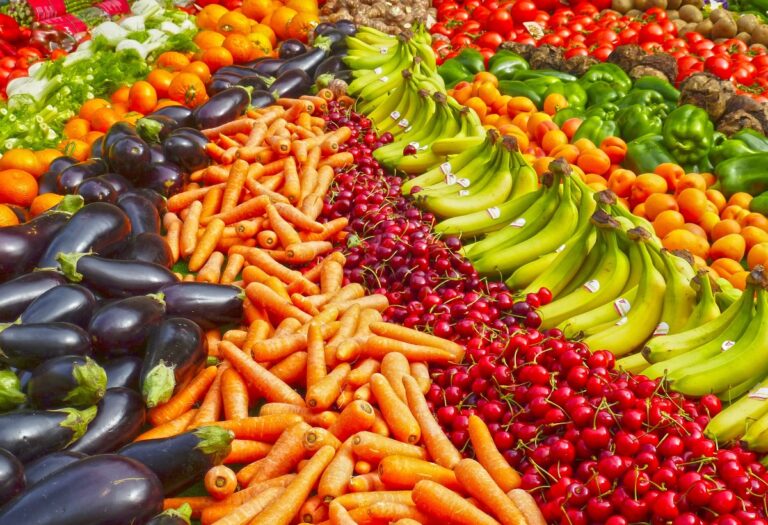
- Vegetables such as carrots and Brussels sprouts
If reducing saturated fat and dietary cholesterol alone doesn’t lower LDL enough, increasing soluble fiber can provide additional support.
Adding fiber-rich foods gradually also helps support digestive health and improves feelings of fullness after meals.
Foods with Plant Sterols and Stanols
Certain foods contain naturally occurring compounds called plant sterols and plant stanols. These substances resemble cholesterol in structure and can help block cholesterol absorption in the digestive tract.
Because of this effect, some foods are formulated with added plant sterols or stanols. Examples include certain spreads, yogurts, and salad dressings designed to support cholesterol management.
When included as part of an overall balanced diet, these products may provide an additional reduction in LDL cholesterol. They work best when combined with other strategies such as reducing saturated fat and increasing fiber intake.
You’ll often find that these foods fit easily into meals without requiring major changes to your eating pattern.
Putting the Eating Pattern into Practice
A cholesterol-focused eating plan doesn’t rely on strict rules or complicated meal plans. Instead, it emphasizes consistent habits that gradually shift the balance of nutrients in your favor.
In practical terms, this often looks like:
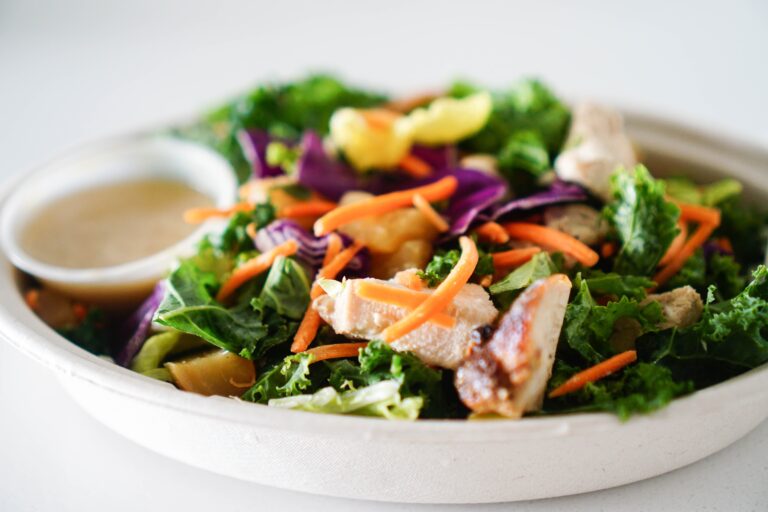
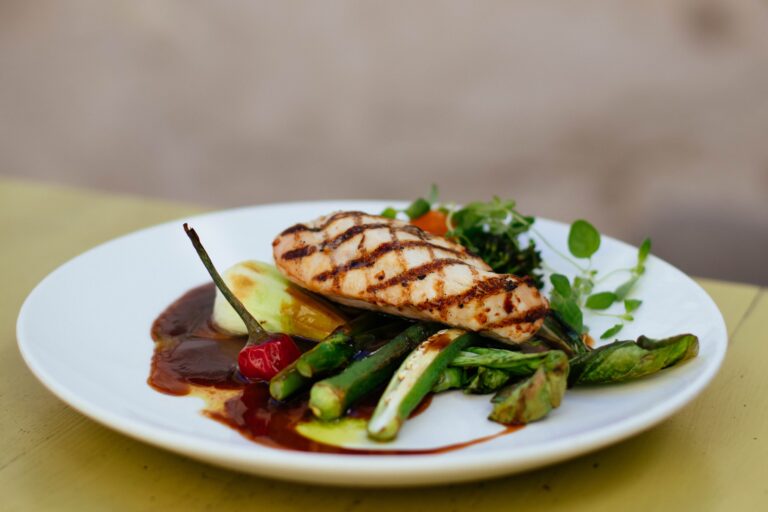
- Choosing lean proteins instead of high-fat meats
- Filling half your plate with vegetables and fiber-rich foods
- Replacing butter with plant-based oils
- Adding beans, oats, and whole grains regularly
- Limiting processed foods high in saturated fat and sodium
These changes may seem small individually, but together they reshape your daily eating pattern in a way that supports healthier LDL levels and long-term cardiovascular health.
By focusing on nutrient quality, balanced fat intake, and fiber-rich foods, you create a dietary foundation that supports both cholesterol control and overall metabolic well-being.
 |
|
Understanding Your Cholesterol Level What you need to know about Cholesterol testing Lowering Your Cholesterol Levels Facts about Cholesterol |



This diet has changed my life. I feel much healthier and now I have energy to exercise. Thank you!